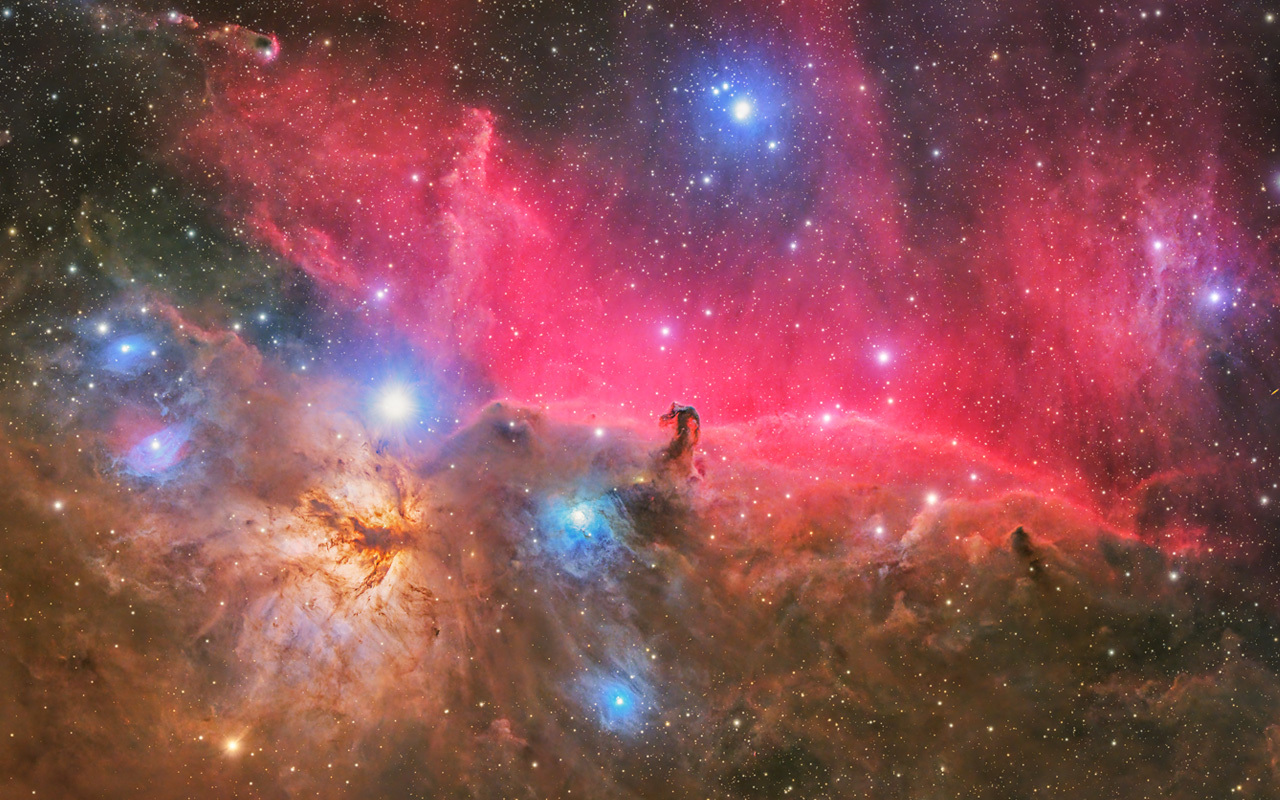
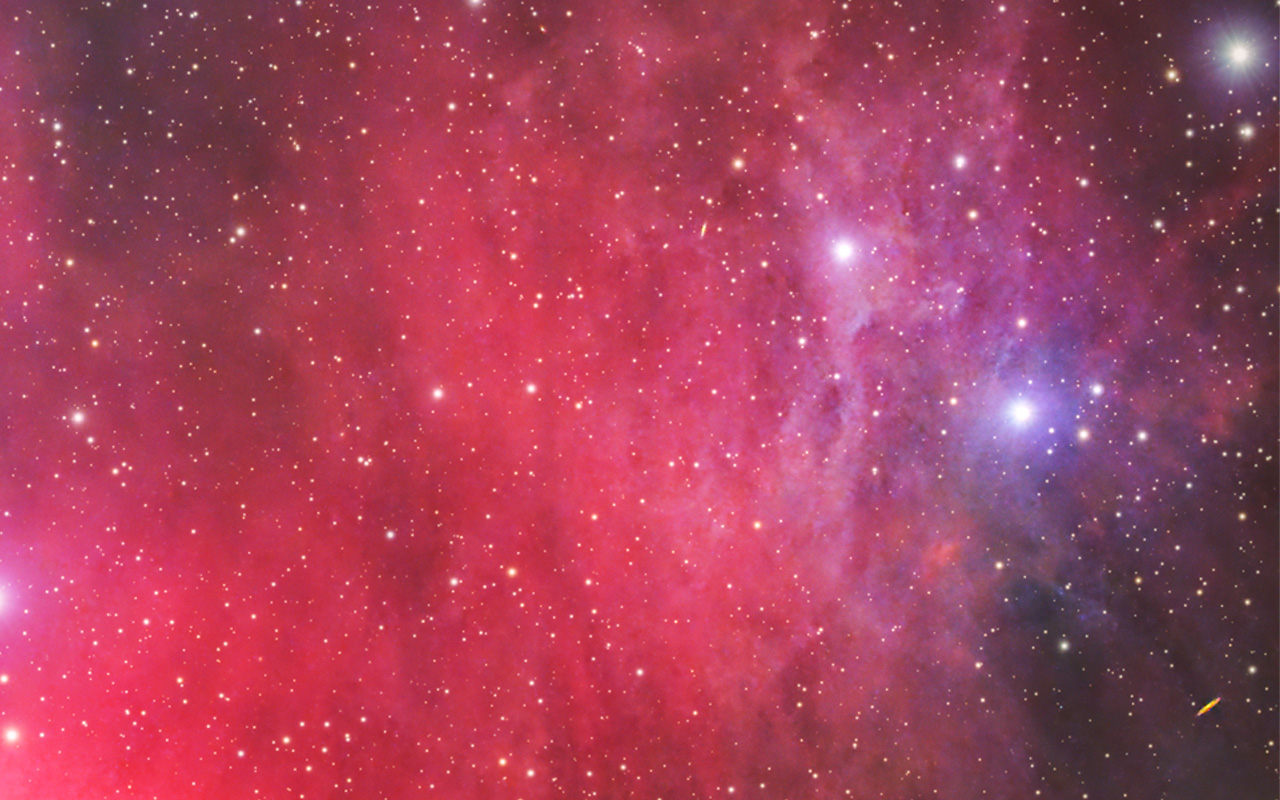
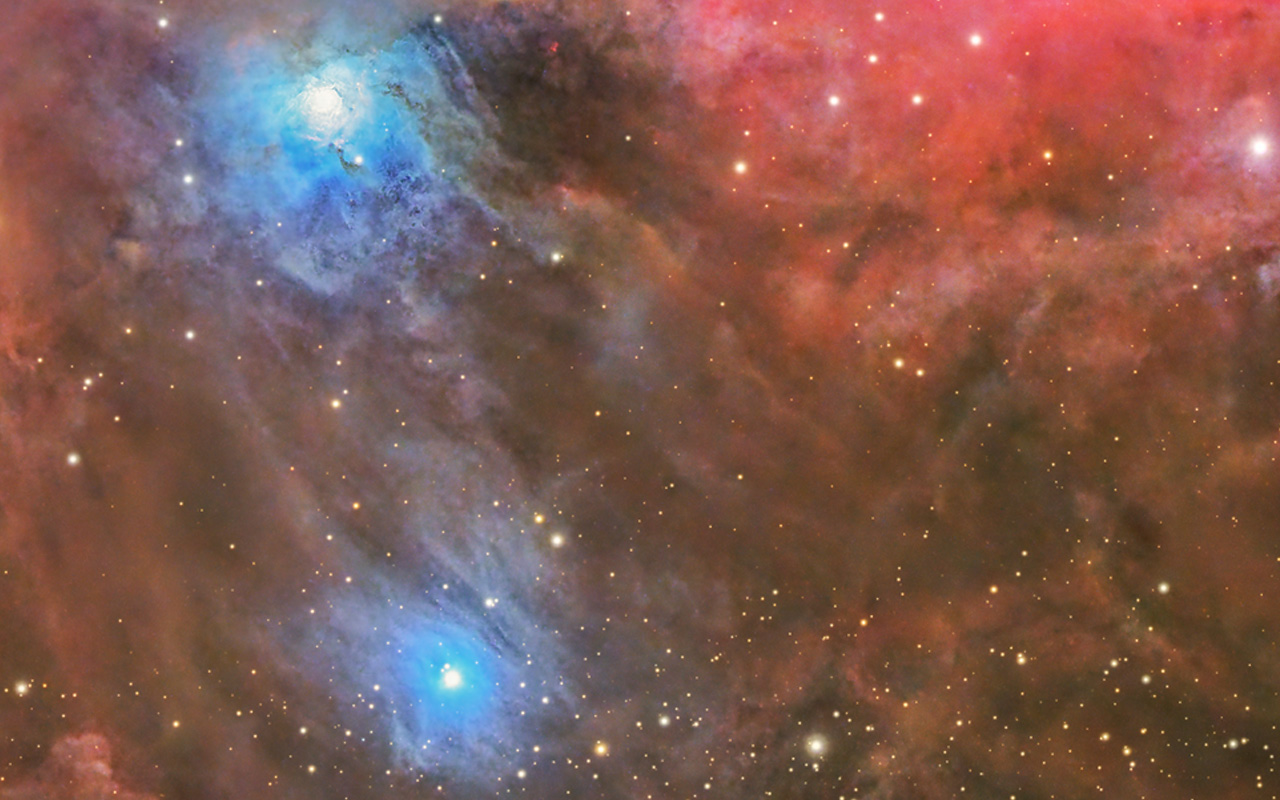
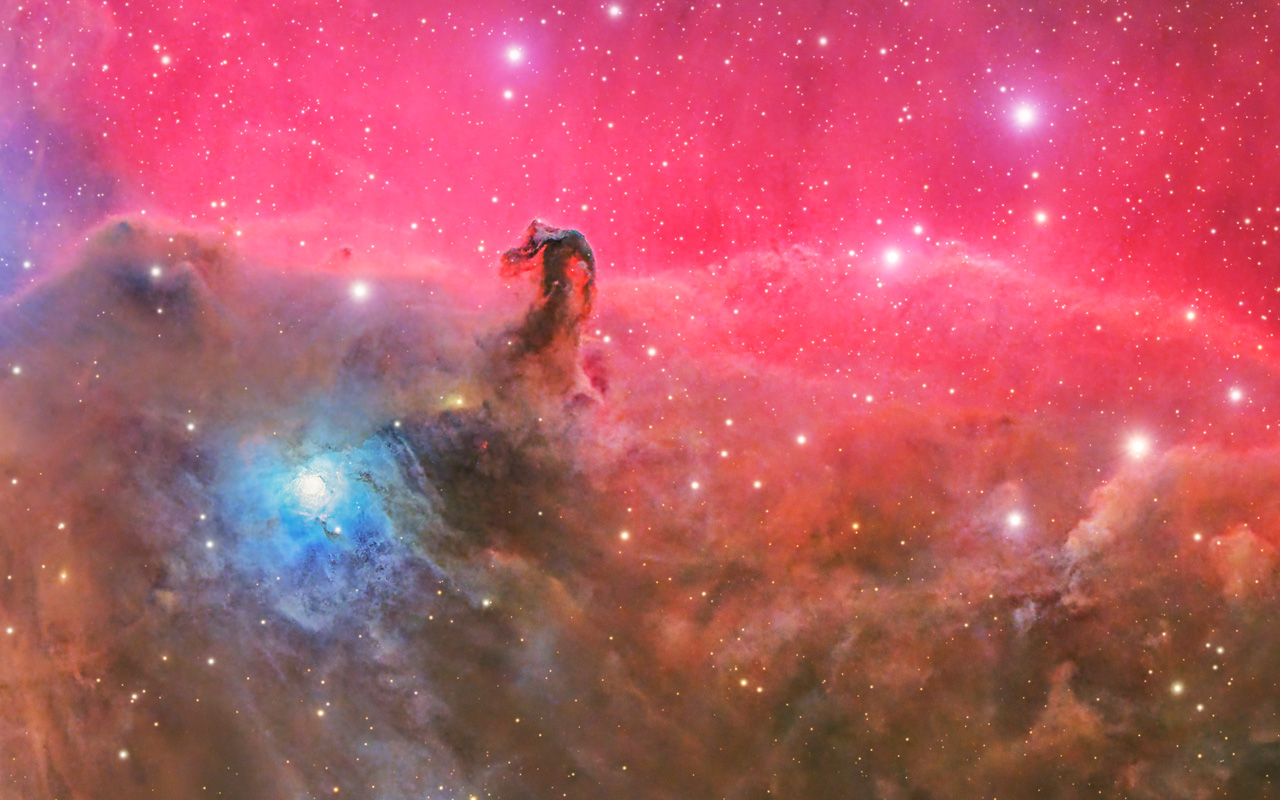
This image of IC 434, featuring the Horsehead and Flame Nebulae, was captured by Stanley Tang, Starhunter Astrophotographer, under the exceptionally dark skies of the Xinjiang Starhunter RemoteClearSky Observatory.



Podcast English
Podcast 中文
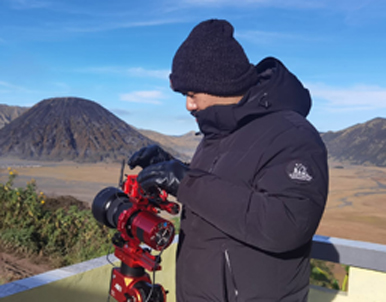
Starhunter Astrophotographer — Stanley Tang
Using an Askar 600 telescope, ZWO AM5N mount, and ZWO ASI6200MM camera, Stanley collected 15 hours of imaging data with an Antlia LRGB + Hα + O III filter combination.The deep integration reveals the intricate molecular clouds, glowing hydrogen gas, and dark dust structures surrounding this iconic star-forming region in Orion.
IC 434 The Horsehead and Flame Nebulae
Object Type: Dark Nebula / Star-Forming Region
Hidden among the stars of Orion is one of the most recognizable dark nebulae in the night sky.This is the Horsehead Nebula, also known as Barnard 33.Its unusual silhouette looks remarkably like the head of a horse. But this shape is not a solid object — it is a cold, dark cloud of gas and dust, standing in front of the much brighter emission nebula IC 434.
The Horsehead’s famous shape is actually a coincidence created by the distribution of dense interstellar dust.Thick clouds block the light coming from stars and glowing hydrogen behind them, creating the dramatic dark silhouette we see from Earth. The Horsehead is part of the much larger Orion Molecular Cloud Complex, where stars are actively being born. Its unusual shape was first discovered on a photographic plate in the late 1800s. Today, it has become one of the most iconic targets in astrophotography.
Orion Belt / Zeta Orionis
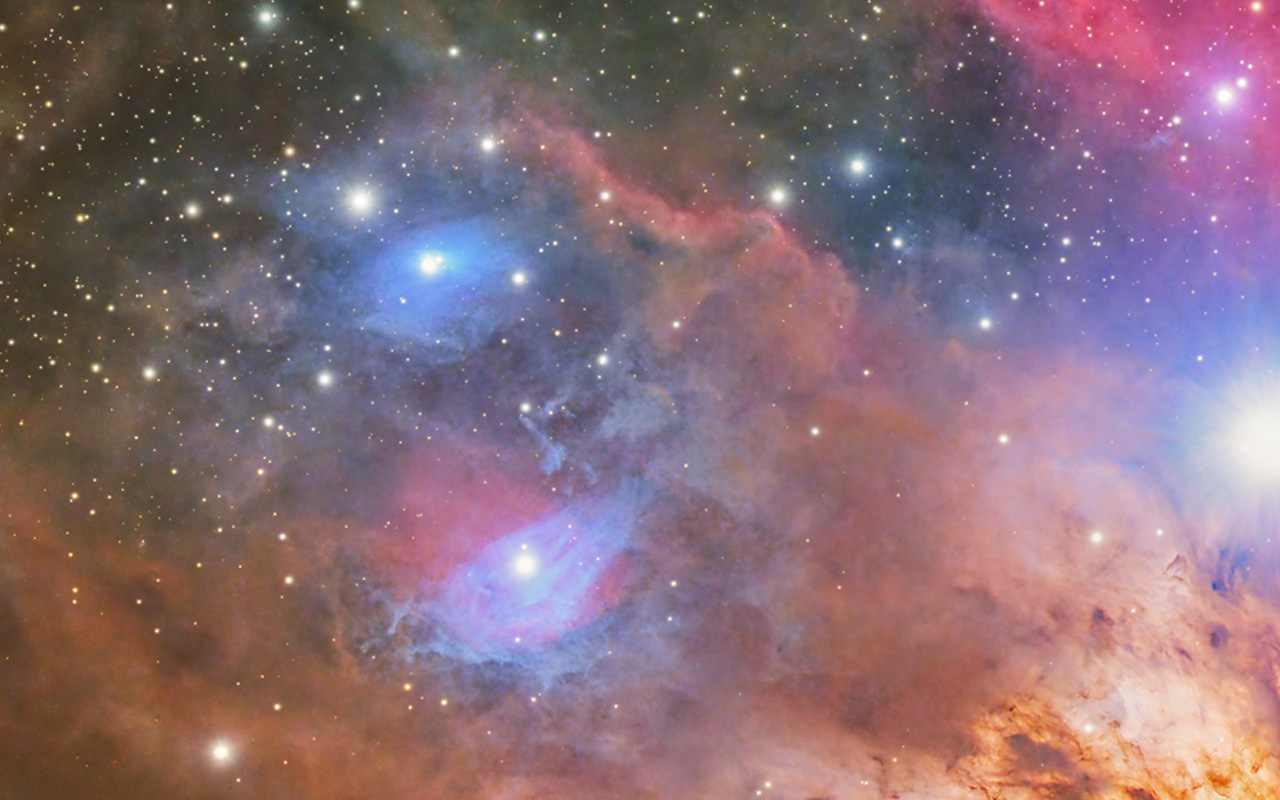
The Horsehead lies just south of Zeta Orionis, also known as Alnitak — the leftmost star in the famous line of three stars forming Orion’s Belt. Although the region is relatively easy to locate, the Horsehead itself is much more difficult to see visually. For amateur astronomers, finding it through a telescope has traditionally been considered a real test of observing skill. Astrophotography, however, allows us to reveal details that are extremely difficult to see with our eyes.
Star Formation — Dust Pillars / Young Stars
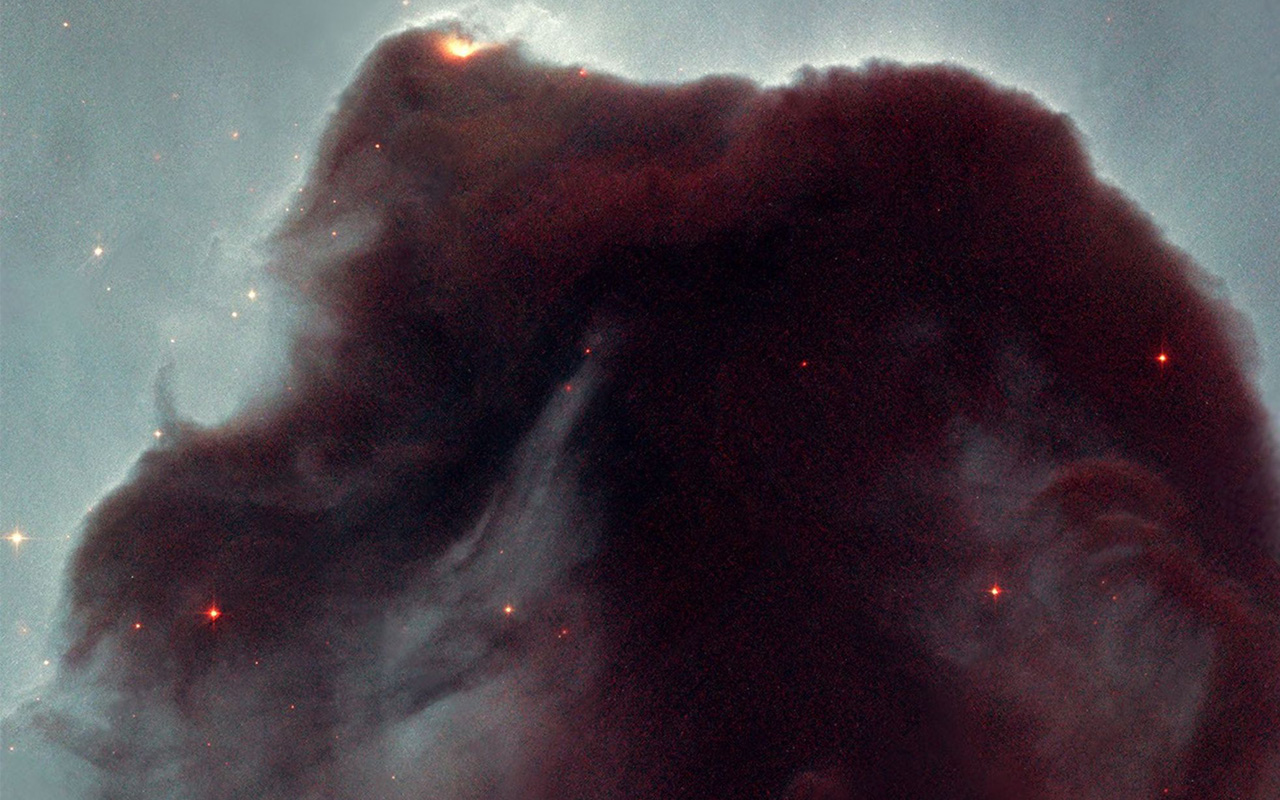
The Horsehead is not simply a dark cloud. It is an active star-forming region. Deep inside the dense cloud, gravity is pulling gas and dust together to create new stars. The bright spots near the base of the Horsehead are young stars still in the process of forming. In this sense, the Horsehead is a cosmic cocoon — similar to the famous pillars of gas and dust seen in the Eagle Nebula. Both are examples of dense clouds where young stars are forming while radiation slowly reshapes their surroundings.
IC 434 H II Region
Behind the Horsehead lies the glowing IC 434 H II region. Ultraviolet radiation from the nearby Sigma Orionis multi-star system ionises the surrounding hydrogen gas. Several other stars also contribute to illuminating IC 434. The region is one of the relatively young structures associated with the Orion OB1 association of hot, massive stars. IC 434 extends for roughly 13 light-years and contains a significant amount of gas and dust. The advancing ionisation front is continuously interacting with the dense molecular material of the Horsehead.
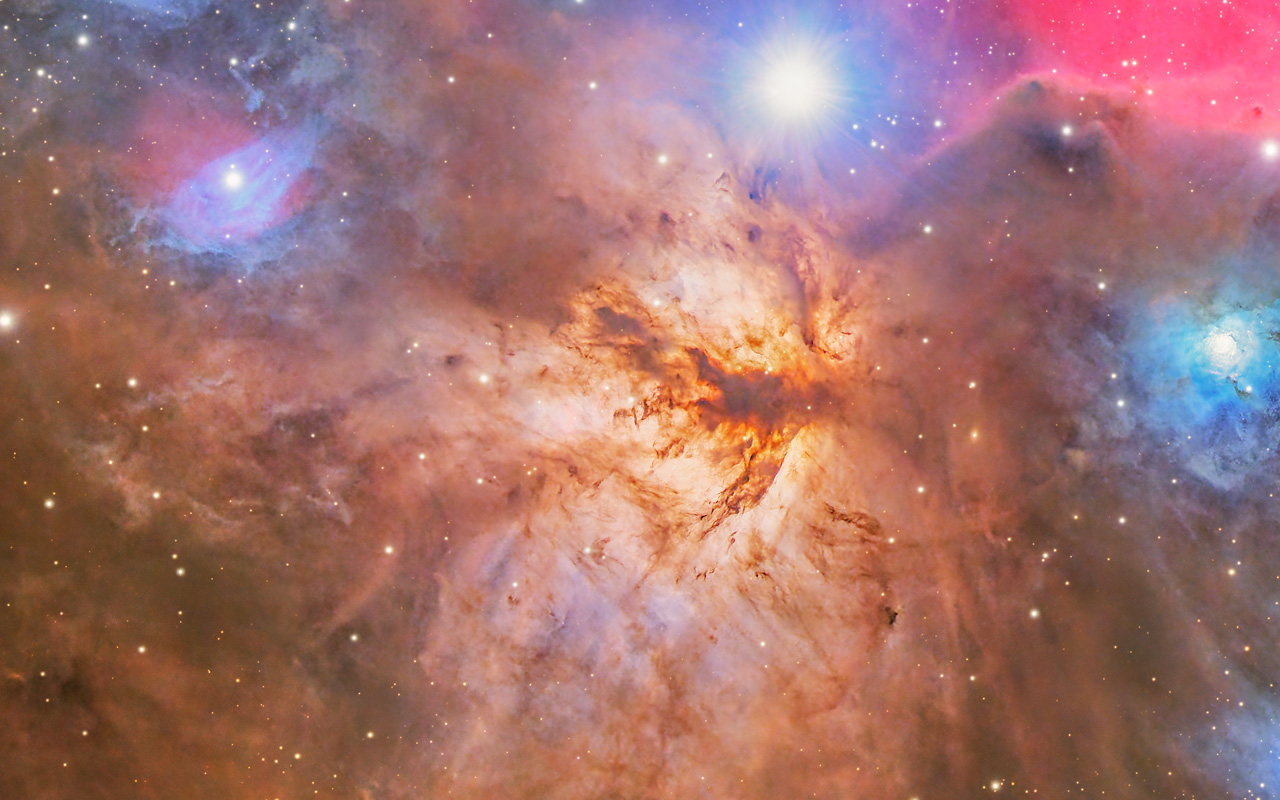
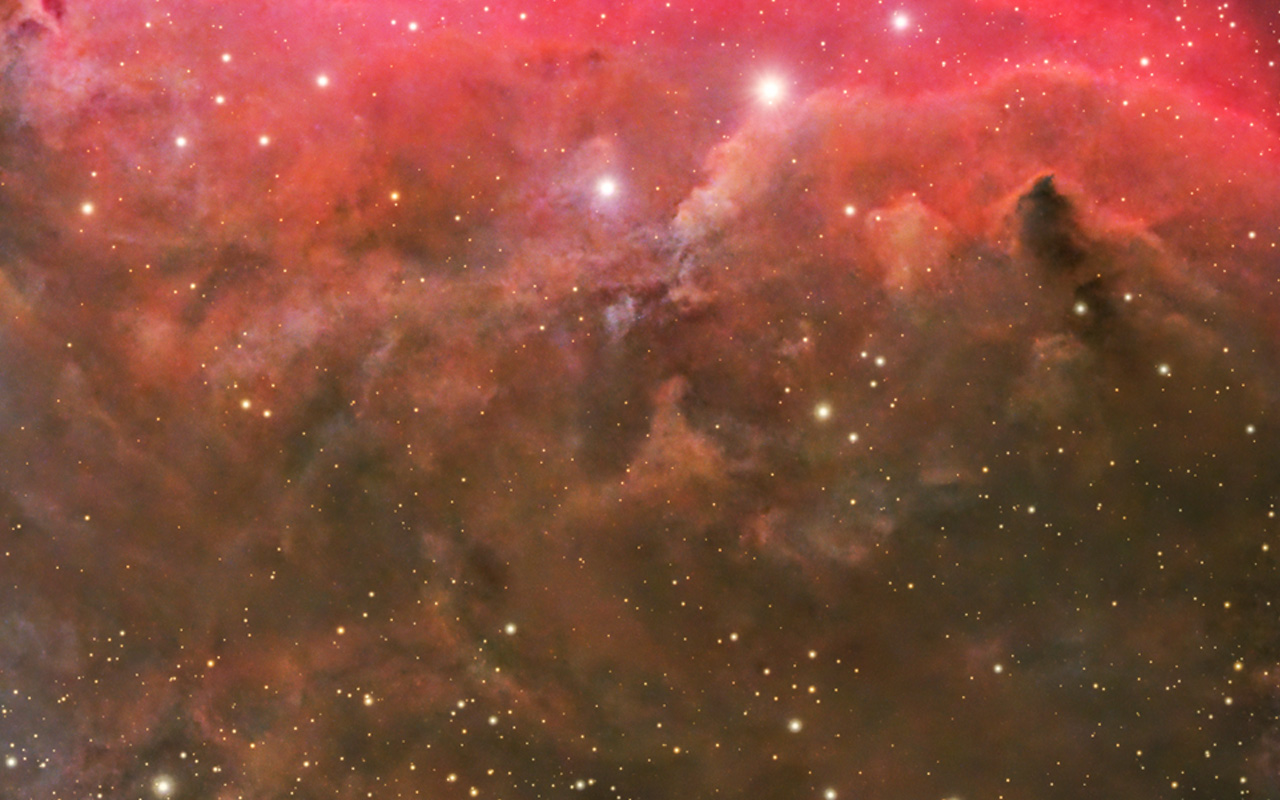
he striking red glow seen in colour astrophotographs mainly comes from ionised hydrogen, or H-alpha emission, behind the dark Horsehead. A bright strip of hydrogen marks the edge of the enormous cloud. Meanwhile, magnetic fields help channel the gas into streams, creating delicate foreground structures against the glowing background. On either side of the Horsehead, the density of stars also appears noticeably different — another visual clue showing how much material this dark cloud is blocking.
The Horsehead Nebula reminds us that darkness in space does not mean emptiness. Sometimes, the darkest regions contain the densest clouds of material — and the beginnings of new stars. A cloud of cold dust. A glowing field of ionised hydrogen. Young stars forming deep inside. And powerful radiation slowly sculpting the entire region. More than a thousand light-years away, this cosmic silhouette has been evolving for millions of years.
The Horsehead is not simply a shape in the sky.
It is a stellar nursery hidden in the darkness.
And through astrophotography, we reveal its story —
one photon at a time.
Starhunter — Capturing the Invisible Universe.
Object Fact Sheet — Ic 434 The Horsehead Nebula
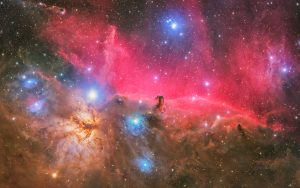
Common Name: Horsehead Nebula
Object Type: Dark Nebula / Star-Forming Region
Cataloged: Barnard 33 (B33)
Other Names: Horsehead Nebula
Constellation: Orion
RA (Right Ascension): 05h 40m 59s
DEC (Declination): −02° 27′ 30″
Age: A few million years
Distance: About 1,375 light-years
Apparent Magnitude: 6.8
Angular Size: About 6′ × 4′