A practical workshop designed for amateur astronomers, observatory operators, students, and researchers who want to develop real-world skills in observatory operation and astronomical observation.The training covers telescope setup and alignment, remote observatory operations, night-sky planning, astronomical data acquisition, scientific image processing and data reduction, and an introduction to astrophotography.



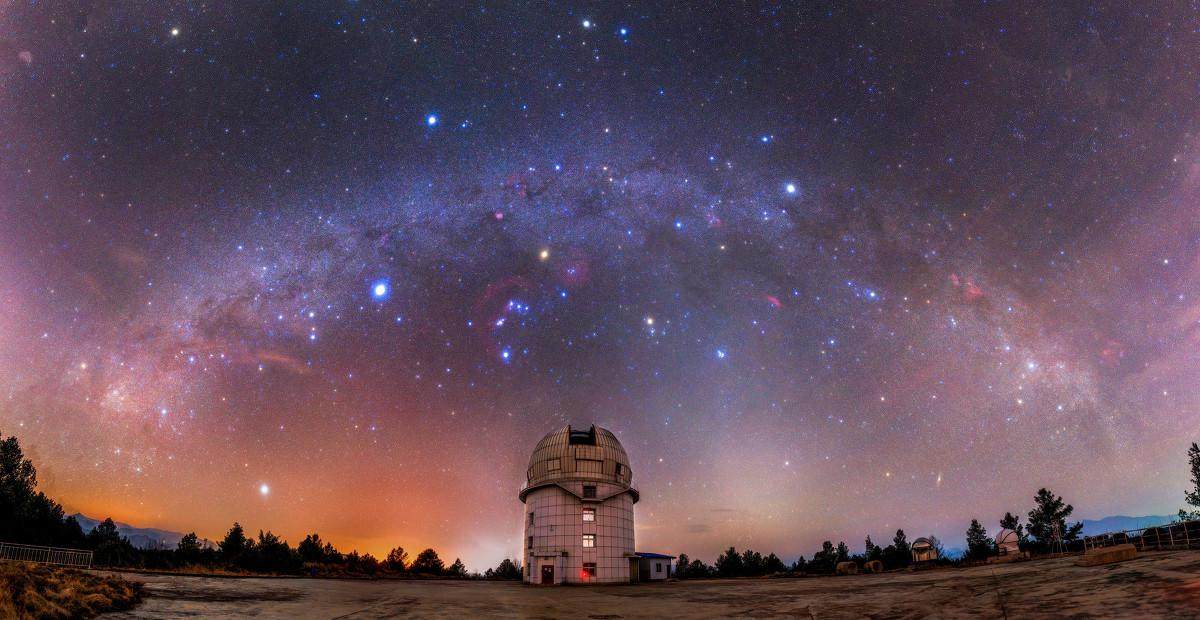

12-day, 10-night Yunnan Observatory Training Workshop
From Operating an Observatory to Producing Quality Astronomical Data
Through hands-on training, participants will learn how to plan observations, identify targets, operate observatory equipment, capture deep-sky data, and manage astronomical datasets—while gaining an understanding of how amateur observations can contribute to scientific research.
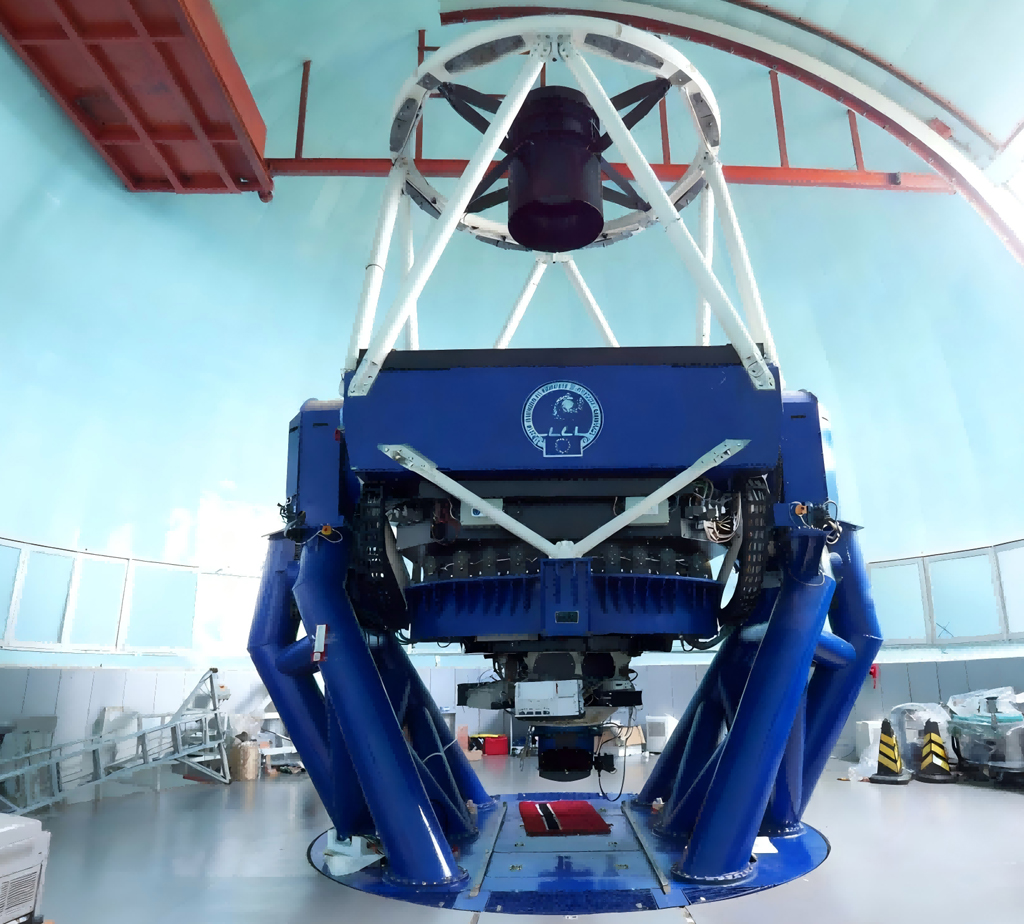
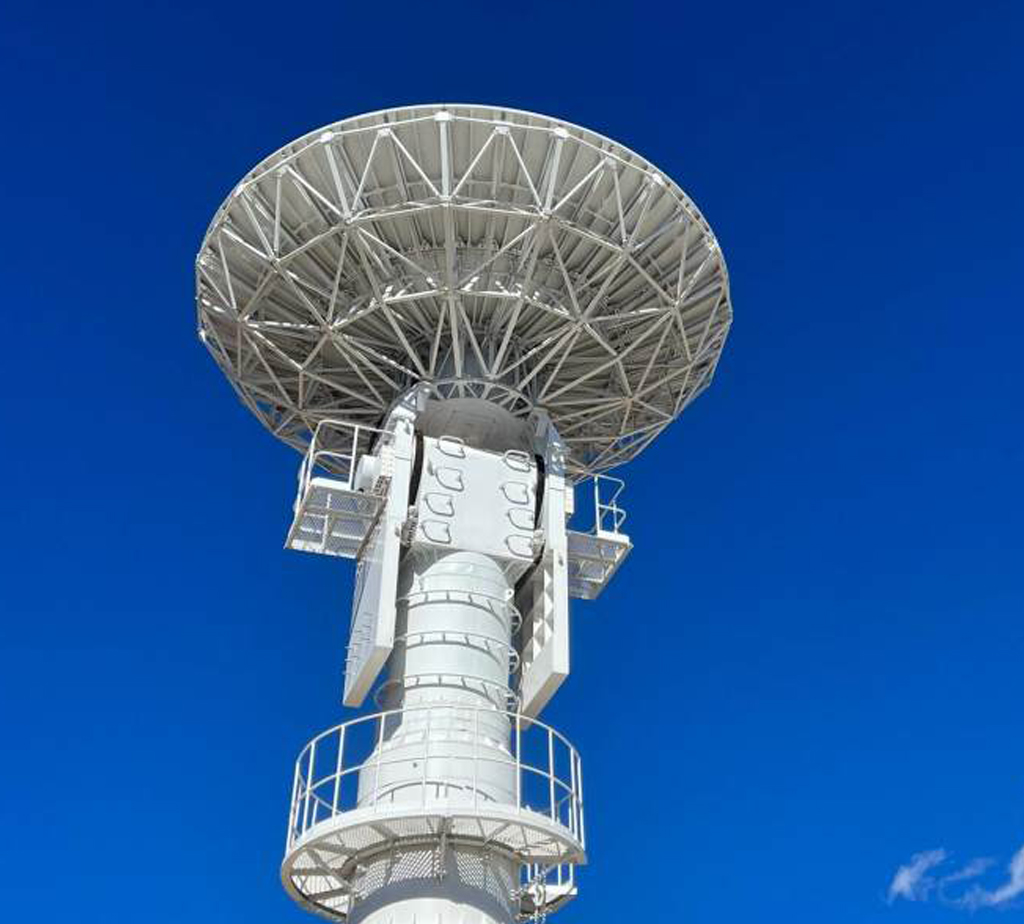
Module 1 : Observatory Operations and Instrumentation
Overview
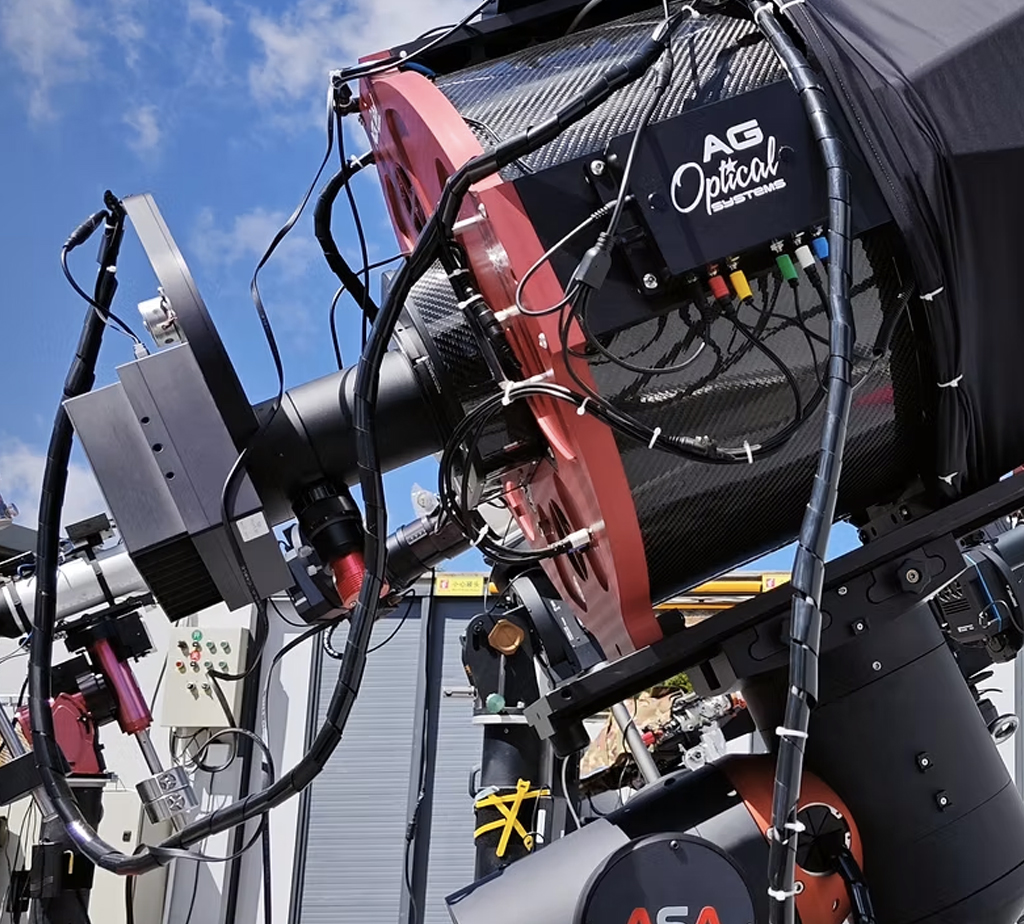
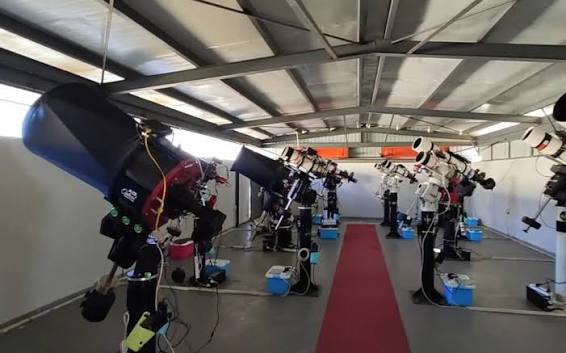
This module provides practical and foundational knowledge for operating an astronomical observatory and managing its instrumentation. Participants will learn how to prepare, configure and operate telescope systems, computerized mounts, cameras and supporting equipment for reliable astronomical observations and imaging.
The module covers the complete observatory workflow—from equipment setup, payload configuration and precision alignment to target acquisition, imaging operations, remote monitoring and safe shutdown. Emphasis is placed on operational accuracy, equipment management, troubleshooting and systematic observation procedures.Through a combination of theory, demonstrations and hands-on practice, participants will develop the confidence to operate an amateur or remote observatory safely and efficiently.
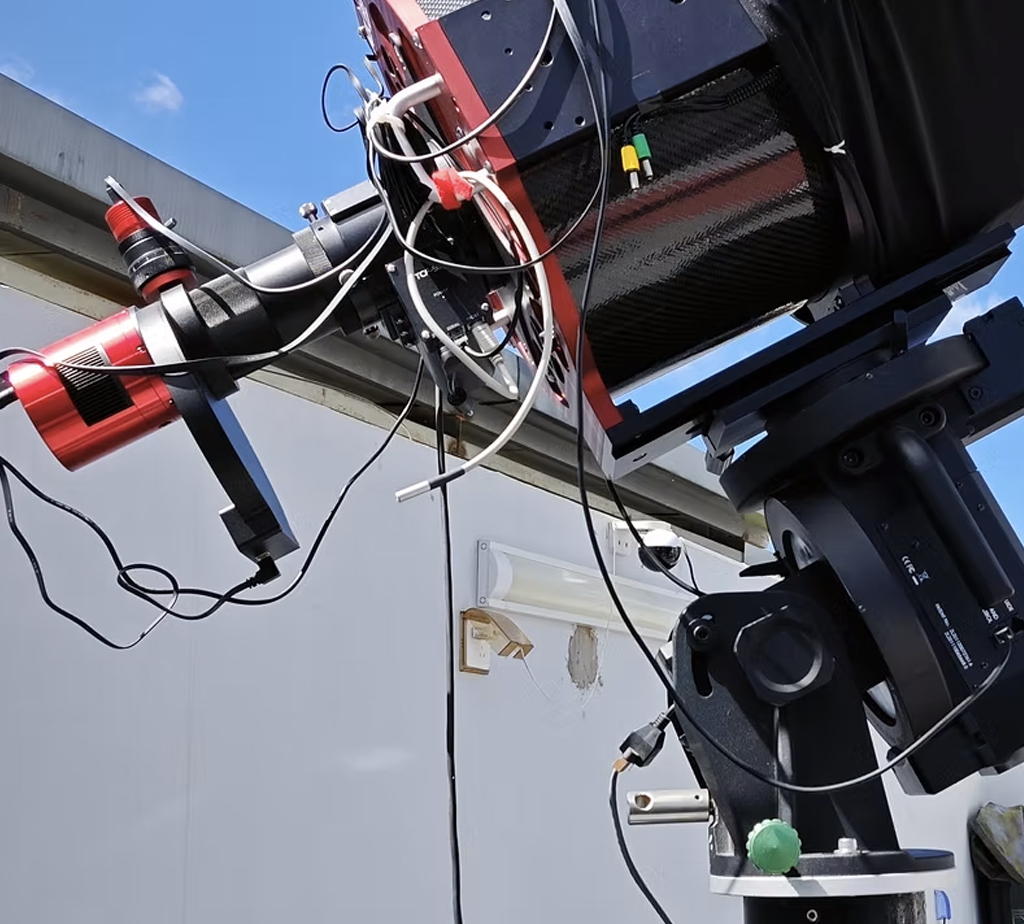
Learning Objectives
By the end of this module, participants will be able to:
- Understand Observatory Systems
Identify the main components of an astronomical observatory and understand how the telescope, mount, camera, filters and supporting systems work together. - Operate Telescope & Mount Systems
Perform basic telescope setup, mount initialization, GoTo operation and precision polar alignment where applicable. - Configure Astronomical Instruments
Correctly install and configure telescopes, cameras, filter wheels, focusers and other imaging accessories. - Manage Payloads & Equipment
Apply proper balancing, cable management and equipment-handling procedures to maintain reliable and safe operation. - Perform Target Acquisition
Locate and acquire astronomical targets using computerized mount and observatory control systems. - Conduct Imaging Sessions
Prepare an observatory system for deep-sky, solar or other astronomical imaging sessions, including basic calibration and focusing procedures. - Operate Remote Observatory Systems
Understand the workflow for remotely controlling and monitoring astronomical equipment, including basic environmental and equipment-status checks. - Troubleshoot Common Problems
Recognize and resolve common operational issues involving mounts, focusing, connectivity, cameras and other observatory equipment. - Apply Observatory Safety Procedures
Follow appropriate pre-session, operational and post-session checklists to protect personnel, instruments and observatory equipment. - Develop Systematic Operating Skills
Apply a structured observatory workflow to improve operational efficiency, data reliability and consistency during astronomical observations.
Practical Outcome
Participants will gain hands-on experience in setting up, configuring and operating an astronomical observatory system, including telescope, computerized mount, camera, focuser and supporting instrumentation.By the end of the module, participants will be able to perform a complete observatory operating workflow—from equipment preparation, payload installation and precision alignment to target acquisition, imaging setup, system monitoring, troubleshooting and safe shutdown.
Practical deliverable: Participants will complete a supervised observatory operation session and demonstrate their ability to safely and systematically operate the telescope and instrumentation for astronomical data acquisition.
Module 2: Astronomical Data Acquisition
Overview
This module introduces the principles and practical techniques of acquiring high-quality astronomical data using observatory-grade and amateur astronomical instruments.
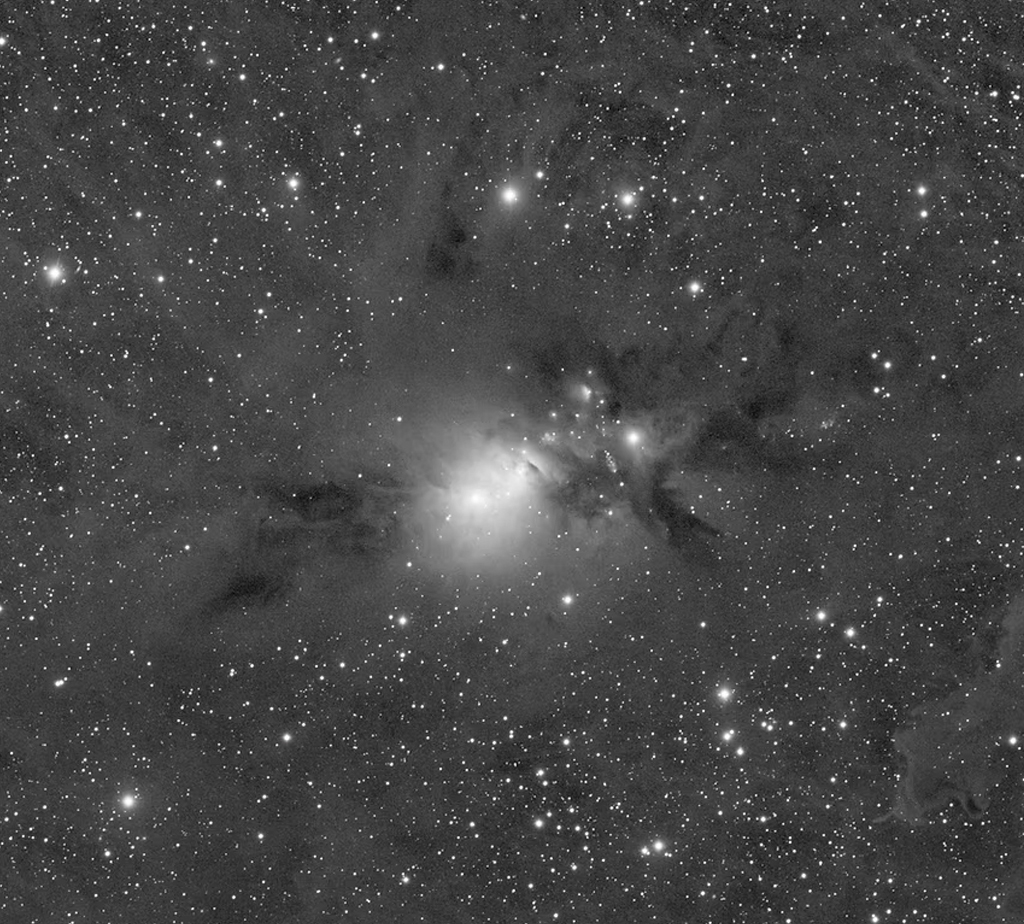
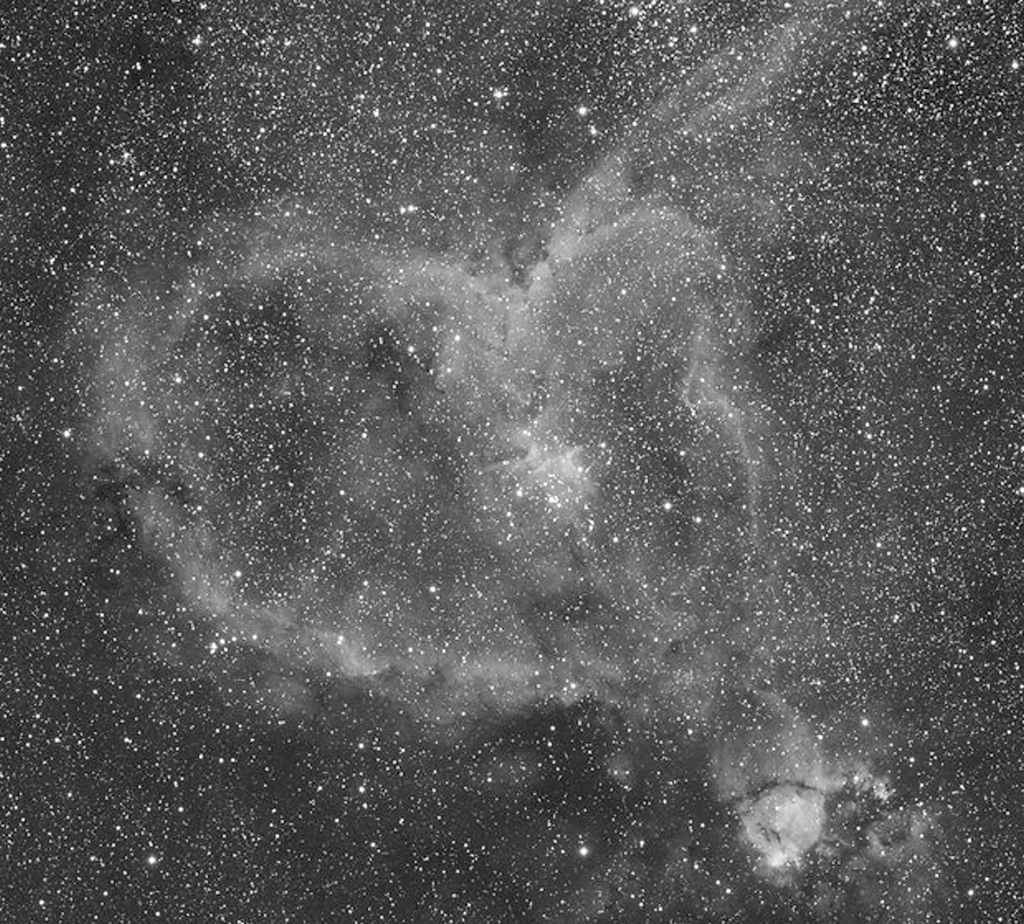
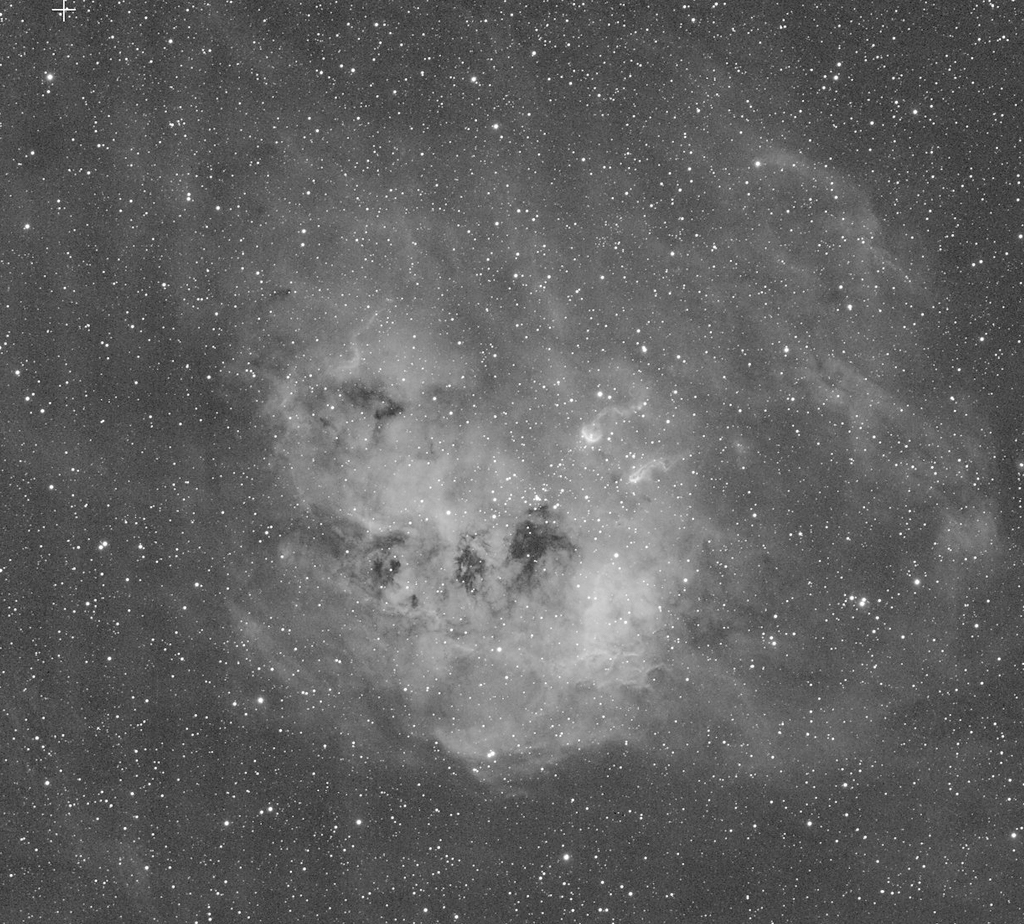
Participants will learn how to plan an observation session, select suitable targets, configure imaging equipment, establish appropriate exposure and filter strategies, and systematically capture scientific-quality astronomical data.The module covers the complete acquisition workflow—from target selection and observation planning to calibration frames, image capture, data organisation and quality control. Practical sessions will include deep-sky imaging, narrowband and RGB imaging, solar observation, and time-sensitive astronomical targets where applicable.
Learning Objectives
By the end of this module, participants will be able to:
-
- Understand Astronomical Data Acquisition
Explain the principles of acquiring astronomical images and observational data for scientific and astrophotography applications. - Plan an Observation Session
Select suitable targets based on celestial coordinates, visibility, altitude, moon conditions, weather, season and available observing time. - Configure Imaging Systems
Set up and optimise the telescope, mount, camera, filters, focuser and related equipment for data acquisition. - Apply Exposure Strategies
Determine appropriate exposure time, gain/ISO, binning and filter combinations according to the target and imaging system. - Acquire Calibration Data
Capture and understand the purpose of bias, dark, flat and dark-flat frames for subsequent data calibration. - Perform Deep-Sky Data Acquisition
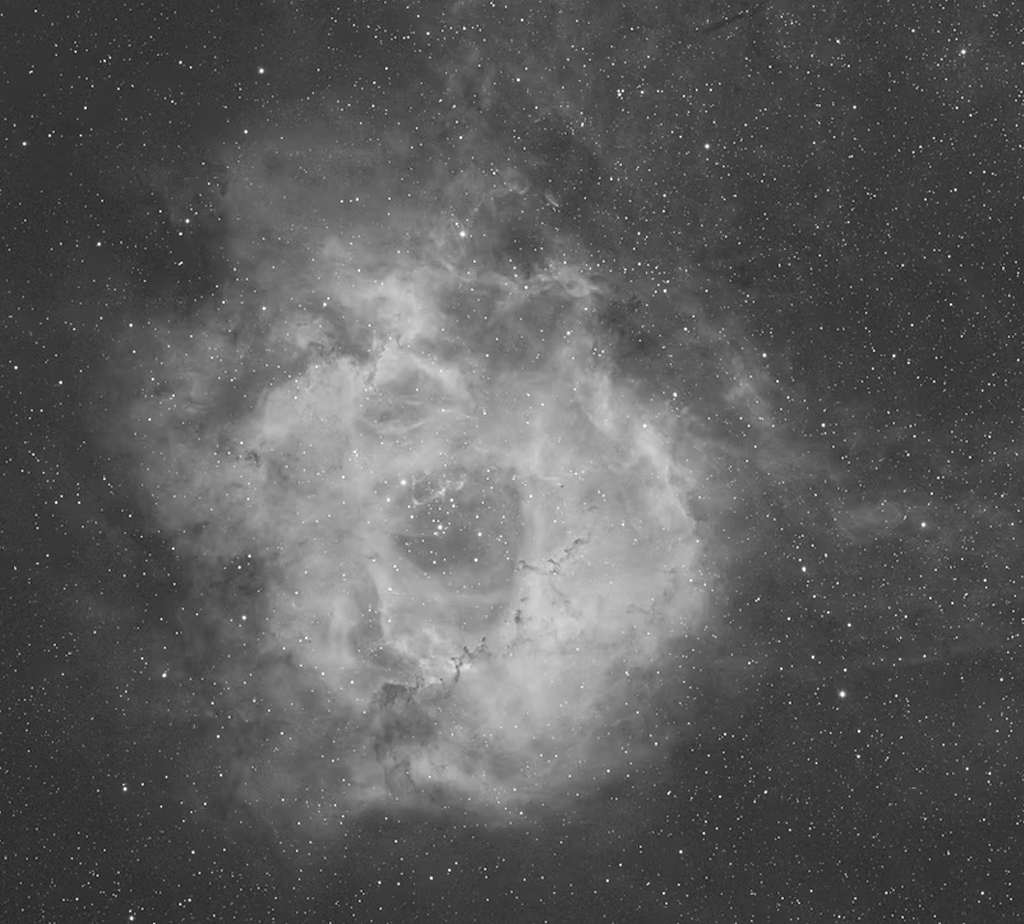
Apply appropriate techniques for capturing galaxies, nebulae, star clusters and other deep-sky objects using broadband and narrowband filters. - Conduct Solar & Specialised Observations
Understand the basic requirements for solar data acquisition and selected transient or time-domain astronomical observations. - Manage Imaging Sequences
Create and execute automated imaging sequences while monitoring focus, tracking, guiding, weather and equipment status. - Evaluate Data Quality
Identify common acquisition problems such as tracking errors, poor focus, clouds, satellite trails, gradients, saturation and other data-quality issues. - Organise Astronomical Data
Apply systematic file naming, metadata recording, calibration-frame management and data-storage practices to maintain a reliable astronomical data archive.
- Understand Astronomical Data Acquisition
Practical Outcome
Participants will complete a structured astronomical imaging session and produce a well-organised set of raw astronomical data and calibration frames suitable for subsequent Image Processing & Data Reduction in Module 3.
Module 3: Scientific Image Data Processing
Overview
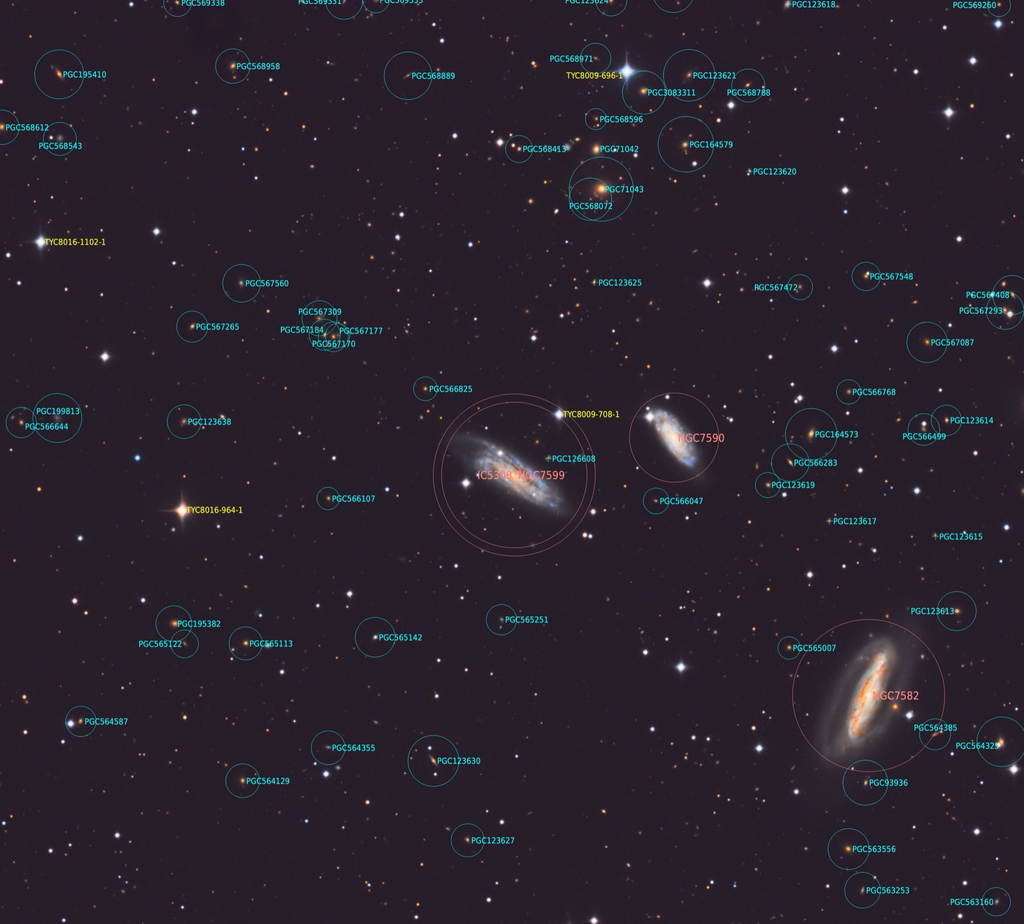
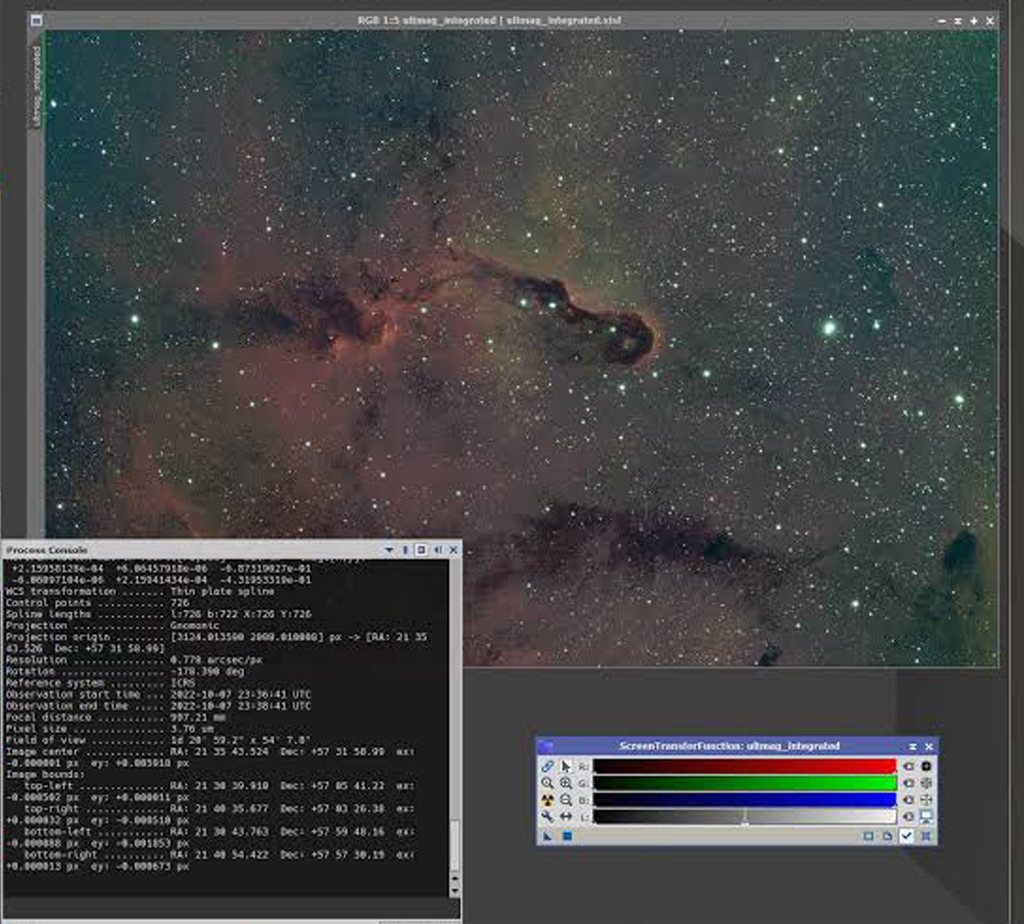
This module introduces the principles and practical techniques of scientific astronomical image processing and data reduction. Participants will learn how raw astronomical data is calibrated, cleaned, aligned, integrated and processed to produce scientifically useful and visually accurate astronomical images.
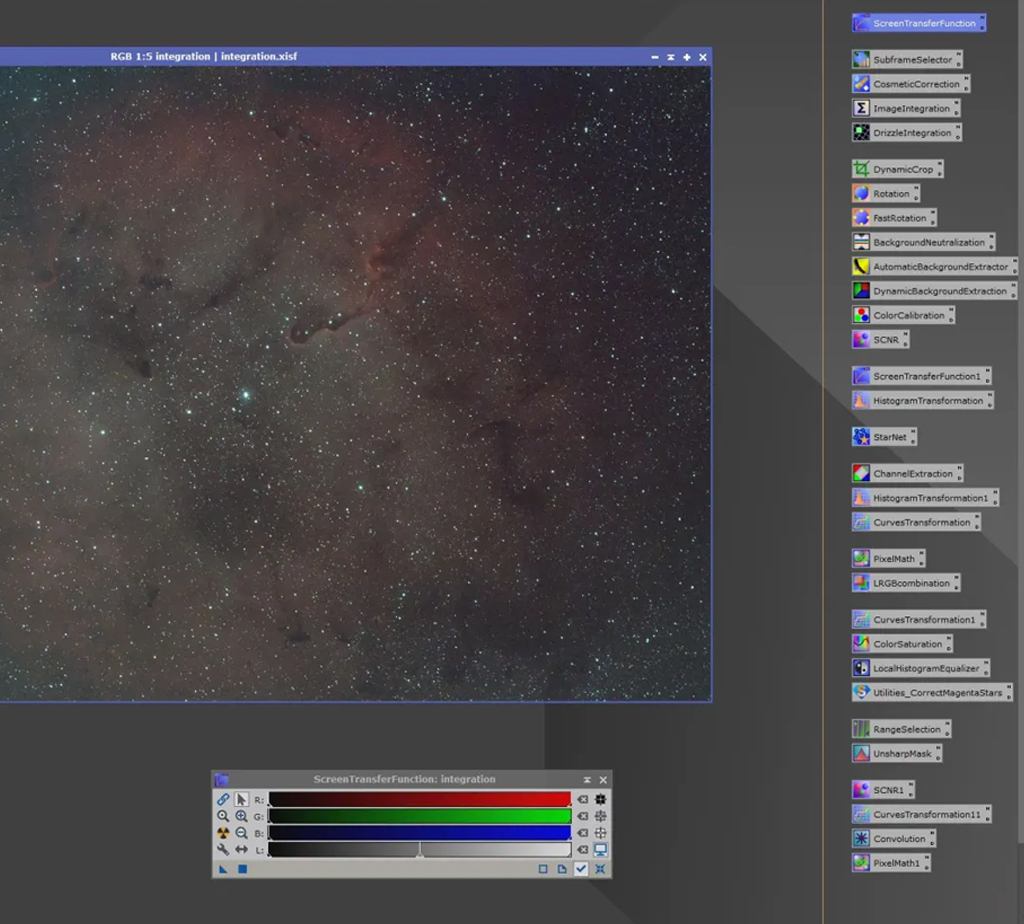
The module follows the complete workflow from raw data organisation and calibration to stacking, image integration, correction and final data preparation. Emphasis is placed on understanding how each processing step affects data quality and preserving the integrity of the original astronomical data.
Practical training will use real astronomical datasets acquired from observatory imaging systems, covering deep-sky, broadband and narrowband data.
Learning Objectives
By the end of this module, participants will be able to:
- Understand Scientific Image Data
Explain the characteristics of raw astronomical images, including signal, noise, dynamic range, bit depth and metadata. - Organise Raw Data
Apply systematic file organisation, naming conventions and metadata management for astronomical datasets. - Perform Image Calibration
Apply bias, dark, flat and dark-flat frames to correct common sensor and optical artefacts. - Assess Data Quality
Identify and evaluate issues such as poor focus, tracking errors, gradients, hot pixels, satellite trails, clouds and other unwanted artefacts. - Register & Align Images
Accurately align multiple exposures to compensate for telescope tracking and field-position differences. - Integrate & Stack Data
Combine multiple exposures using appropriate stacking and rejection techniques to improve signal-to-noise ratio and data quality. - Process Broadband & Narrowband Data
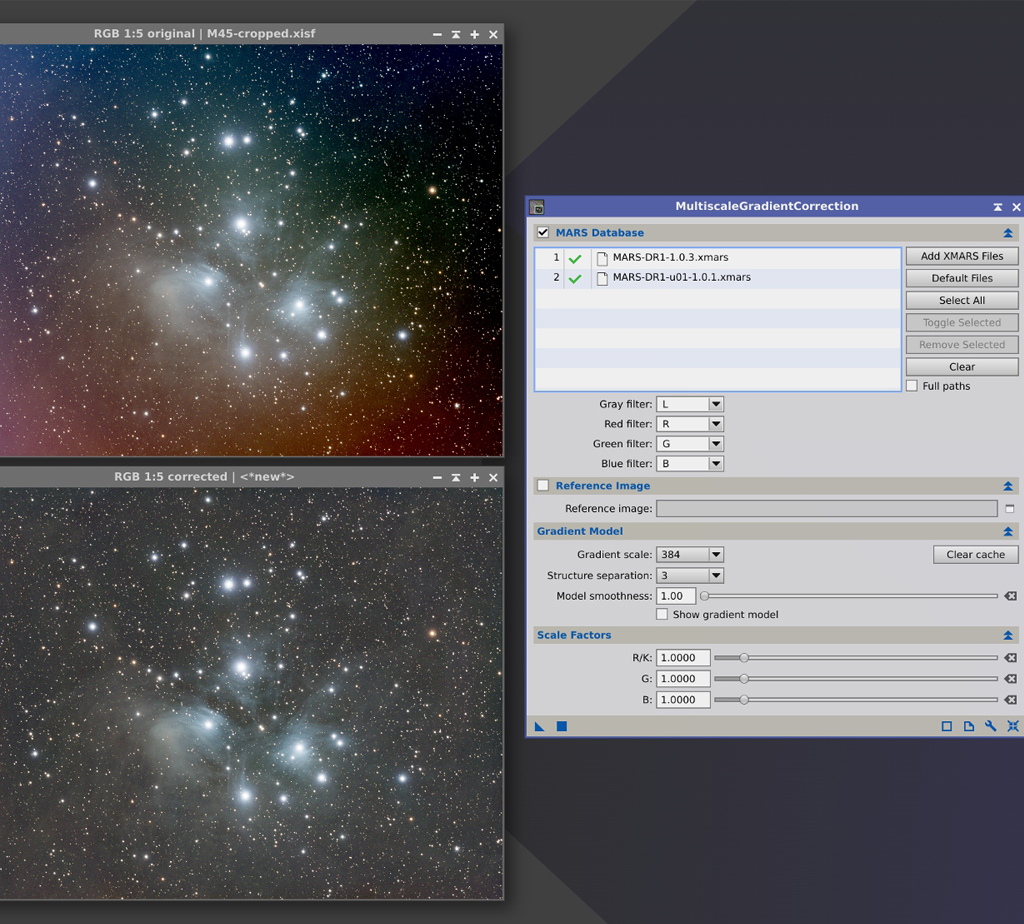
Apply appropriate workflows for RGB, LRGB, H-alpha, OIII, SII and other astronomical datasets. - Perform Background & Gradient Correction
Identify and correct unwanted background gradients, uneven illumination and other systematic effects while preserving genuine astronomical structures. - Extract & Enhance Astronomical Information
Use appropriate processing techniques to reveal faint structures, improve contrast and extract meaningful information from astronomical data. - Prepare Archive-Ready Data
Produce properly calibrated, documented and organised datasets suitable for further scientific analysis, publication, education or archival use.
Practical Outcome
Participants will process a complete astronomical dataset from raw calibrated frames to an integrated final image, while maintaining a clear and reproducible processing workflow.The final output will include a calibrated and integrated astronomical dataset, processing record and final processed image suitable for further analysis or presentation.
12-day, 10-night Yunnan Observatory Training Workshop
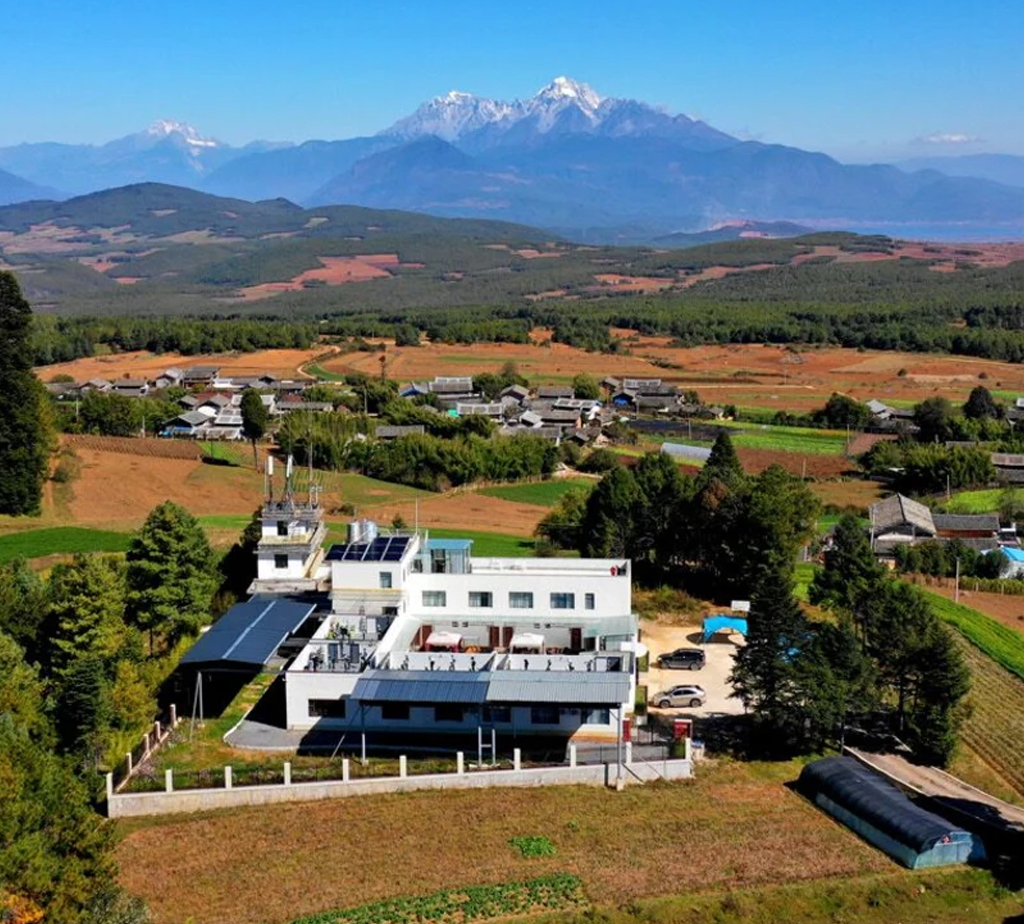
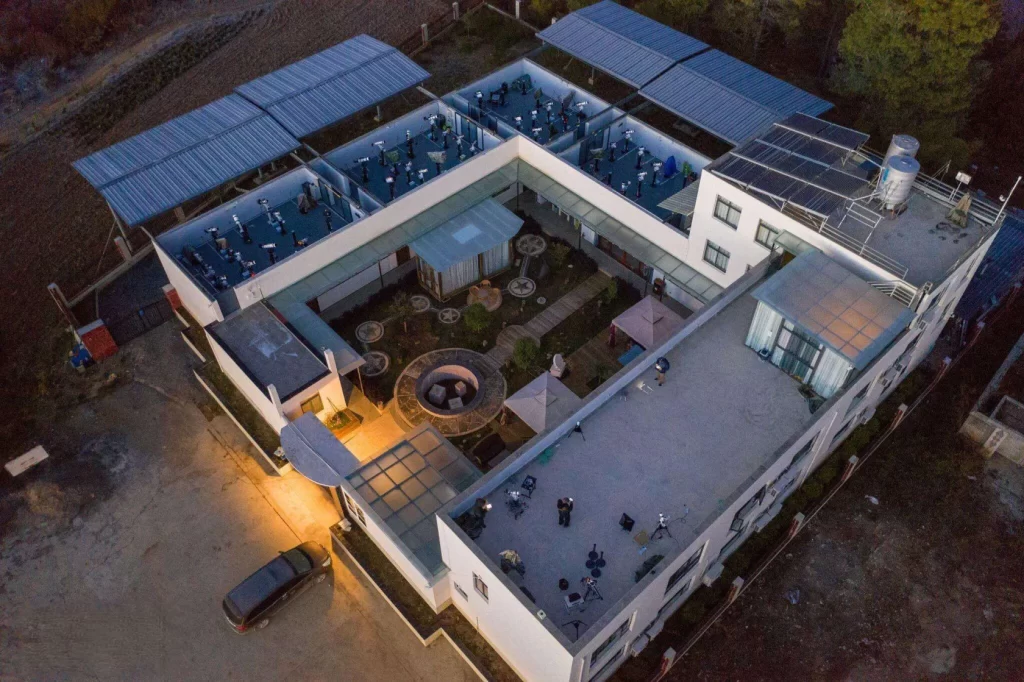
Gemini Observatory is located in the suburbs of Lijiang City, Yunnan Province, China, adjacent to the Yunnan Astronomical Observatory of the Chinese Academy of Sciences, where a 2.6-meter optical telescope is operated for scientific research. This proximity means our observatory’s observing conditions have undergone rigorous scientific scrutiny. Perched at an altitude of 3,170 meters, the Gemini Observatory boasts exceptional air clarity, with a daytime visual range exceeding 150 kilometers. Its high altitude ensures minimal dust interference, providing a seeing of less than 1″ and a peak dark sky measure of 21.3 SQM. With over 220 clear days annually, it’s been recognized one of the best astronomical observation sites in Asia.
Bortle: 1~2
SQM: avg=21.5, peak=21.8
Seeing: avg.=~0.8~1.2″, peak=0.36″
Annual Clear dark nights : ~220d
Avg. Windspeed : 1.65m/s
Visible Distance : 150km(93miles)
50 Telescopes On-Site Currently
Maximum Diameter : 20”(0.5m) iDK
Internet : High-speed Fiber, 1 Gbps
Monitor : All-Sky Camera, Cloud Sensor etc.
Onsite Support : 7×24
Power Backup: UPS Generator
- Depart from Kuala Lumpur International Airport (KLIA) to Guangzhou, followed by a connecting flight to Lijiang.
- Transit and flight connection in Guangzhou.
- Arrival of the Malaysian delegate in Lijiang.
- Transfer to the designated observatory accommodation and check-in.
- Programme registration and collection of training materials and schedule.
- Brief orientation and rest in preparation for the training programme.
Observatory operations & instrumentation
09:00 AM — Facility orientation and observatory safety briefing.
02:30 PM — Comprehensive technical tour covering the main 2.4-metre optical telescope, robotic and remote telescope networks, and automated multi-telescope facilities.
08:00 PM — Observation of routine observatory operations, focusing on remote telescope management, system coordination, and synchronisation of multiple telescope nodes.
Astronomical data acquisition — Solar
09:00 AM — Introduction to solar observation instruments, including the New Vacuum Solar Telescope (NVST), and setup of portable solar observation systems.
02:30 PM — Practical solar data acquisition using white-light and high-resolution Hydrogen-alpha (Hα) filters, including data recording and archiving.
08:00 PM — Deep-sky target planning and preparation for upcoming observation sessions.
Astronomical data acquisition — Deep sky I
02:30 PM — Astronomical theory workshop covering telescope mount systems, payload integration, and observatory system configuration.
06:30 PM — Hands-on session: telescope mounting systems, payload installation, and equipment management for observatory operations.
07:30 PM — Hands-on session: wide-field astronomical data acquisition and exposure optimisation in a mountainous observing environment.
Astronomical data acquisition — Deep sky II
02:30 PM — Deep-sky target selection, including nebulae and galaxies, and preparation of calibration frames such as Bias, Dark, and Flat frames.
06:30 PM — Precision telescope installation, polar alignment, and equatorial mount calibration.
07:30 PM — Hands-on session: advanced long-exposure deep-sky imaging and multi-filter data acquisition using narrowband and LRGB filters.
Scientific image processing & data reduction
10:30 AM — Free time and rest following late-night observation sessions.
02:30 PM — Data reduction workshop covering raw image calibration, Bias/Dark/Flat correction, image stacking, and Signal-to-Noise Ratio (SNR) improvement using industry-standard software such as PixInsight.
08:00 PM — Practical imaging session: advanced long-exposure deep-sky imaging and multi-filter data acquisition using narrowband and LRGB filters.
Scientific image processing — Post-processing
02:30 PM — Advanced image processing techniques, including non-linear stretching, masking, noise management, and colour correction using PixInsight and Adobe Photoshop.
04:00 PM — High-resolution image processing, quality control, metadata management, and preparation of images for scientific archiving.
08:00 PM — Practical imaging session: advanced long-exposure deep-sky imaging and multi-filter data acquisition.
Advanced astronomical data acquisition
02:30 PM — Introduction to time-domain astronomy, including techniques for monitoring and imaging transient and moving celestial objects.
07:30 PM — Independent hands-on observational cycle covering system setup, target acquisition, tracking, exposure planning, and image capture.
Advanced image processing & data analysis
02:30 PM — Introduction to extracting scientific information from astronomical images, including photometry and light-curve analysis.
08:00 PM — Data organisation, backup, metadata management, and preparation of the final astronomical data portfolio.
Advanced observatory operations & buffer session
02:30 PM — Hands-on training in configuring automated observation sequences for remote and robotic telescope systems.
08:00 PM — Buffer observation session for additional target acquisition or backup observations, subject to weather and observing conditions.
Independent mini project
10:00 AM — Independent project planning integrating the three core training areas: observatory operations, data acquisition, and image processing & data reduction.
08:00 PM — Execution of an independent observation and data acquisition project with minimal supervision.
Programme conclusion & departure
07:00 AM — Accommodation check-out.
10:00 AM — Transfer to Lijiang Sanyi International Airport (LJG).
Programme conclusion and departure of the Malaysian delegate.