October 7, 2013
In
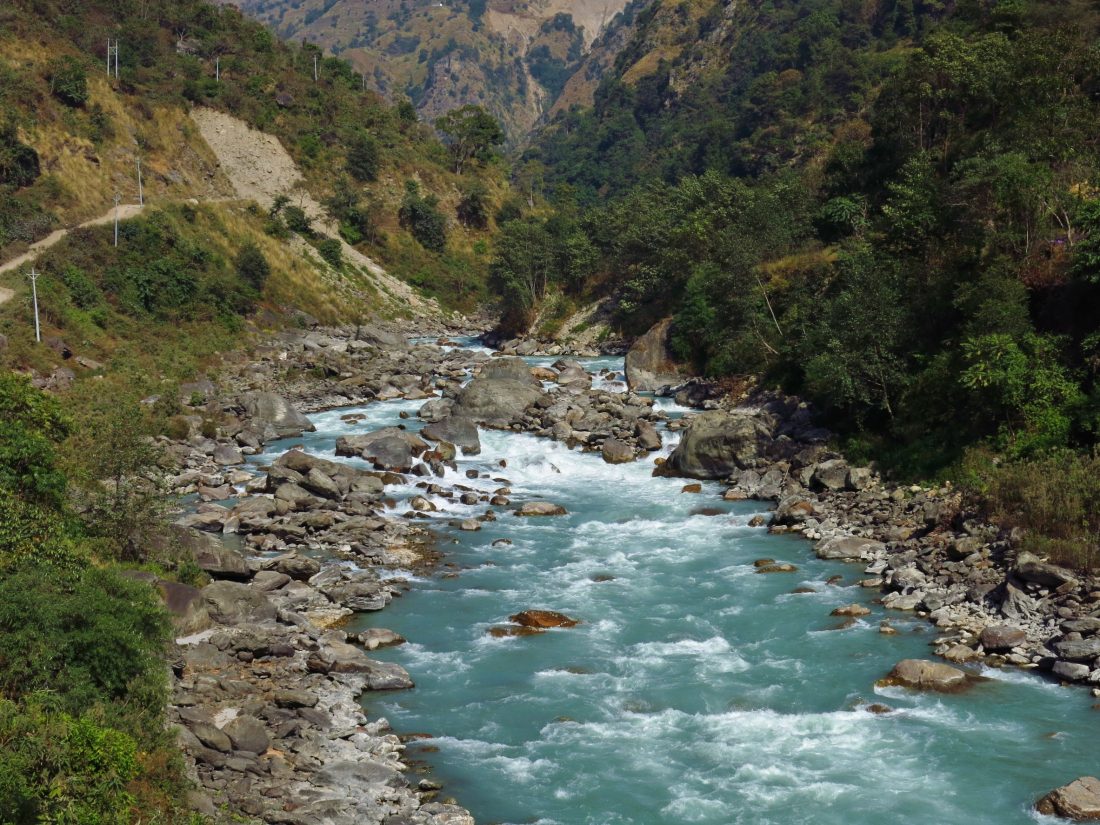
Jagat Village, located in the Lamjung District of North-Central Nepal, is a small town that features a traditional style. It is situated within the Gandaki zone. The term “Jagat” is commonly used by students to describe a normal state of consciousness.
The Nepali term for “the world” is Jagat. Unfortunately, this beautiful Jagat Village was struck by a 7.9 magnitude earthquake on the Richter scale in 2015, which destroyed many of its houses and hotels. Climbers often stay here after a day-long trekking adventure. Despite being small, the village has well-run small hotels that offer quality food and resting facilities. The hospitality of the Nepali people is truly amazing and their attire is traditional, with little influence from modern-day technology felt in Jagat Village. Nevertheless, visitors can still access high-speed internet connection to stay connected with the world.
October 7, 2013
In
Many trekkers on the Annapurna Circuit tend to pass through some villages quickly without giving them much thought. Villages like Kalopani and Lete, Ghasa, and Pisang are often overlooked as “main stopping points” by visitors and guides. However, this is a major mistake. These villages offer unique experiences and breathtaking natural scenery that are well worth taking the time to explore. Skipping over them means missing out on some of the best parts of the Annapurna Circuit trek.
In these smaller villages along the Annapurna Circuit, hospitality is at its most welcoming, families are kind, and visitors have the chance to experience what life in the Himalayas is truly like. While popular areas like Jomsom and Manang see a steady stream of tourists, these “in between” points are often overlooked and hungry for visitors. Unfortunately, the introduction of a road along the Annapurna has resulted in some of these villages being bypassed entirely, but the locals have adapted and continue to make the most of their situation. It’s a shame to miss out on these authentic experiences, as they offer a glimpse into a way of life that is rapidly changing in the modern world.
Pisang is truly a gem that embodies the very best of Nepal – stunning scenery, majestic mountains, rich culture, and warm hospitality. Not to mention, the abundance of tea that is sure to warm your soul. Rushing through this area would mean missing out on its true essence and appeal.Pisang is a unique village with two distinct parts: the lower section and the upper village. This geographical feature is one of the many reasons why visitors should plan to spend several nights in the area to fully experience all that it has to offer.
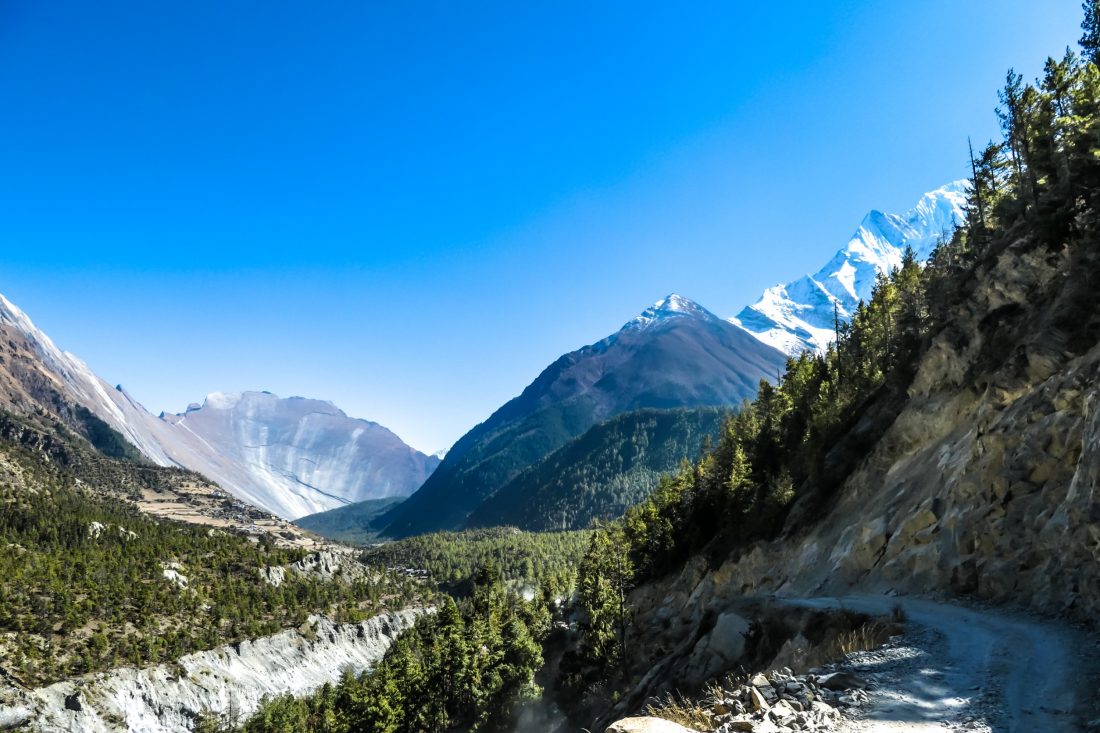
The journey to Pisang by Jeep is definitely not for the faint of heart! The road is unpaved and winding, with steep drops and sharp turns that can be quite nerve-wracking. However, for those who are up for the challenge, the views along the way are absolutely stunning, with snow-capped peaks and rugged mountain landscapes stretching out as far as the eye can see. And once you arrive in Pisang, the warm welcome and hospitality of the local people make it all worth it.
October 7, 2013
In
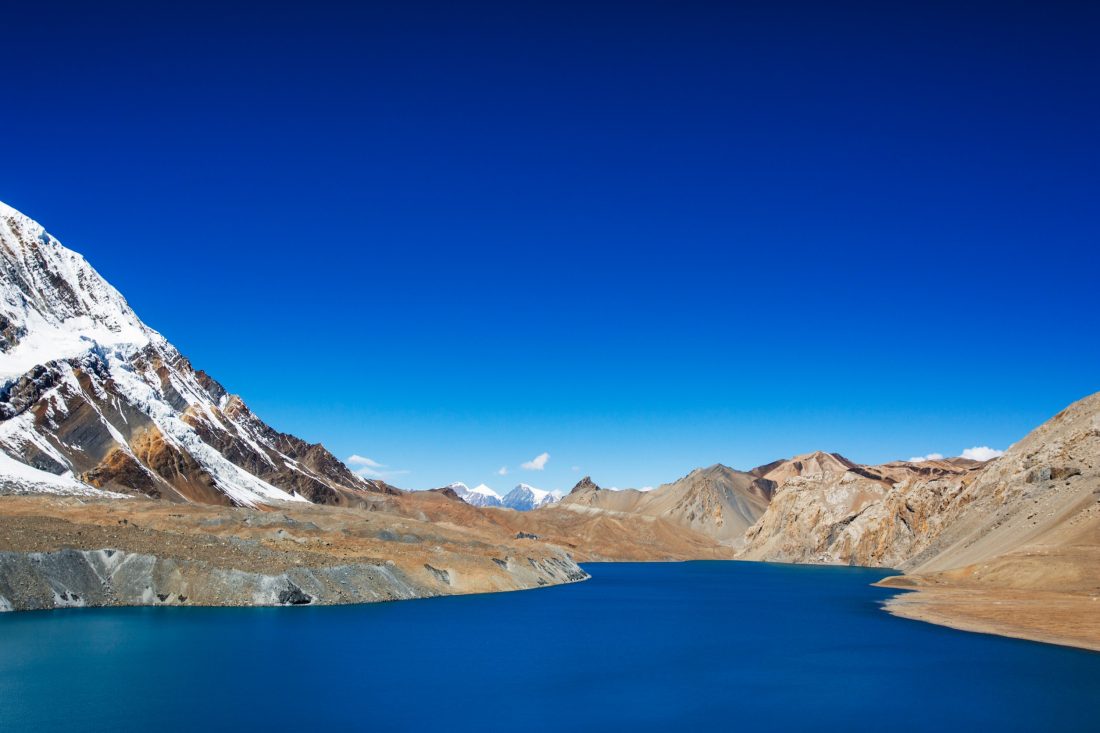
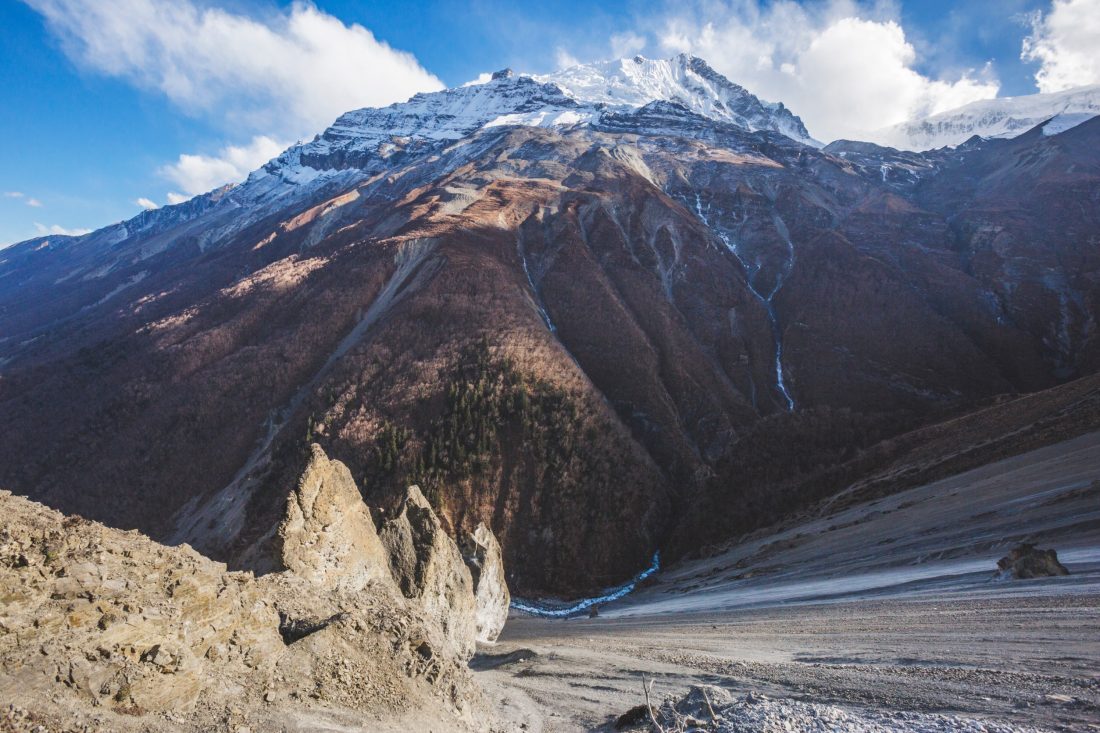
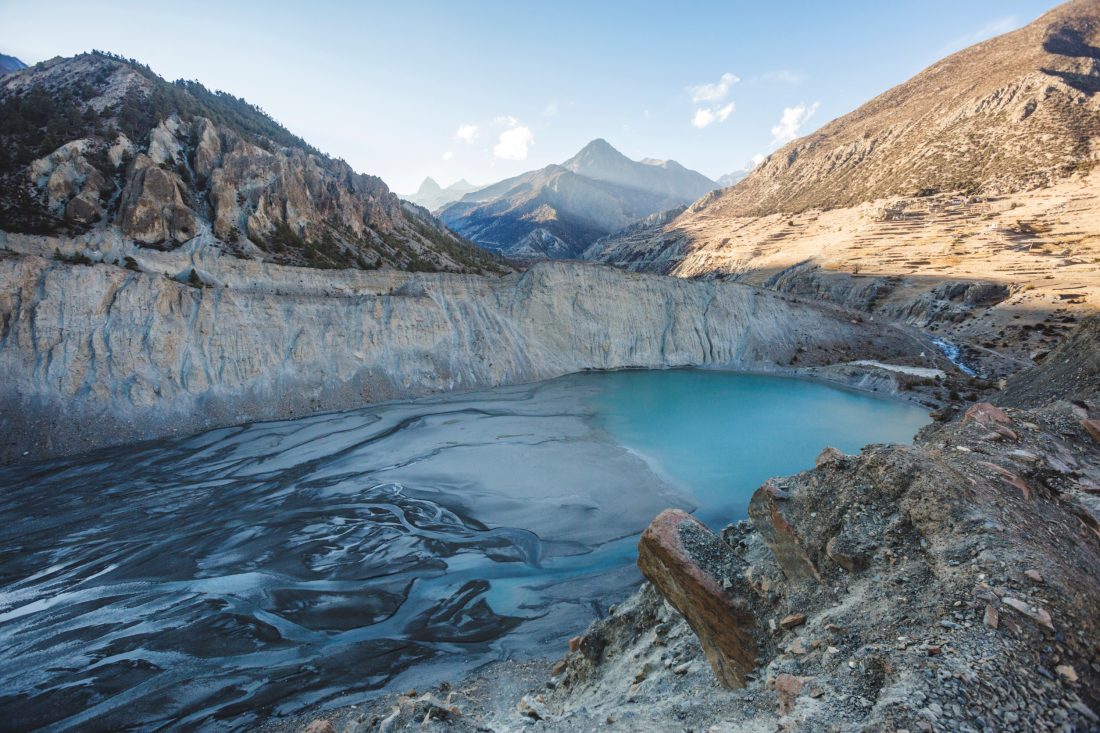
Tilicho Lake is a stunning body of water situated at the highest elevation in the world, standing tall at 4,919 meters. This lake is also a popular trekking destination that falls within the Annapurna Conservation Area. The journey to Tilicho Lake begins with breathtaking natural scenery, and walking through a narrow, muddy lane alongside yaks and local people adds a unique flavor to the experience. As trekking is a physically demanding activity, it’s essential to carry high-calorie dry foods to maintain instant energy. The cool air and crystal-clear panoramic views of nature are awe-inspiring. Along the way, the journey is further enriched by the sight of the finest deep gorge, high peaks, and the massive Annapurna range.
October 7, 2013
In
Hobbyist Milky Way Workshop
Star Tracking Method
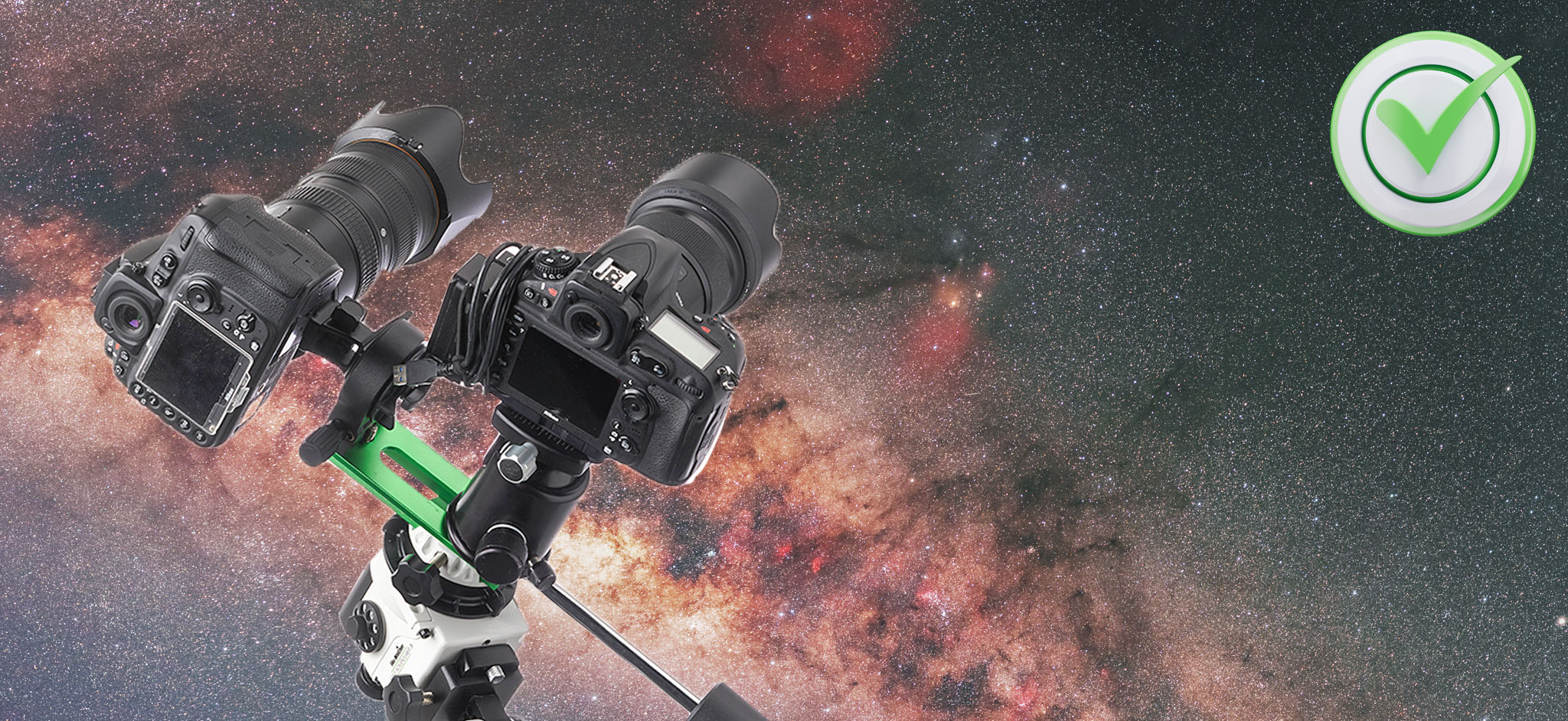
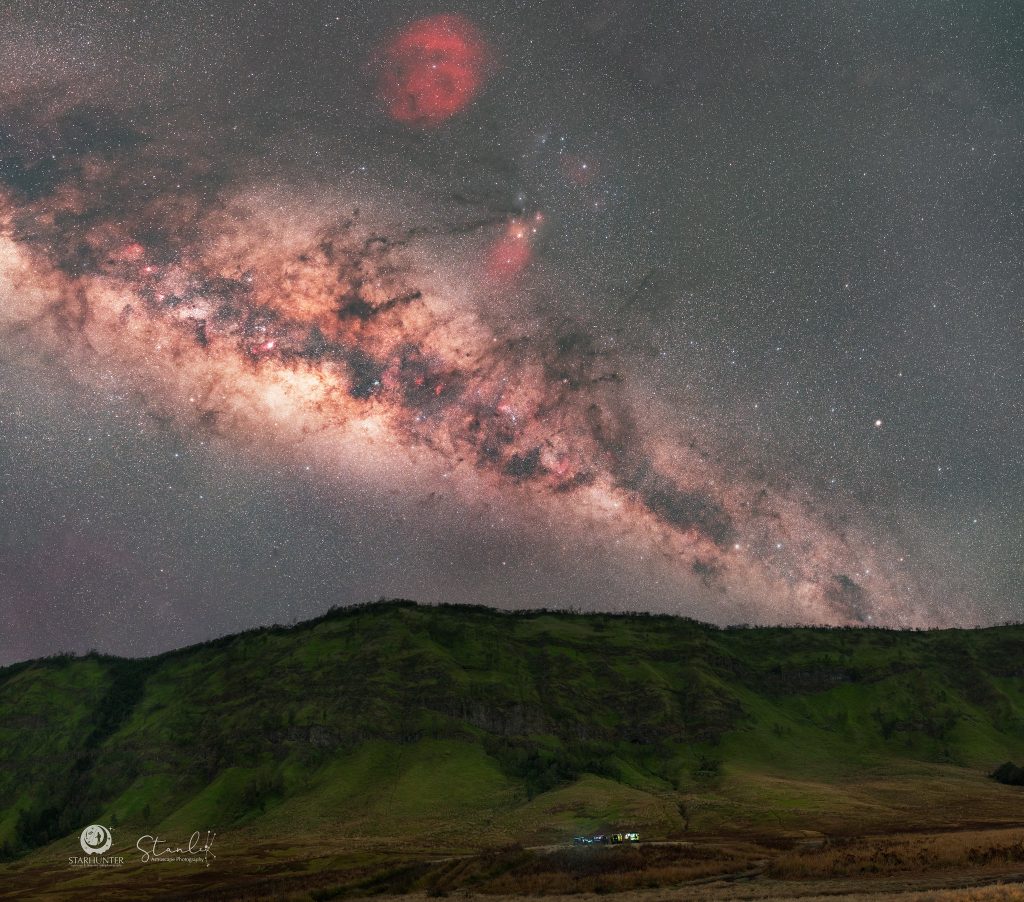
A Star Tracker is a device that rotates your camera to compensate for the Earth’s rotation, making it an invaluable tool for astrophotography. The Starhunter Alliance team often uses the Star Adventurer and Mini MirrorSky for wide-field nightscapes. As the Earth rotates, stars appear to move across the sky. When photographing the night sky, your exposure time is limited because the stars will begin to trail, with the camera sensor capturing their movement.
To achieve sharp, pinpoint stars—or as close to pinpoint as possible—several factors come into play. The degree of star movement, or trailing, depends on your focal length, camera resolution, and shutter speed. The higher the focal length, the more noticeable the trails will be, as zooming in increases the movement of the stars. PhotoPills has a feature called Spot Stars, which can help you determine the maximum exposure time for capturing crisp, pinpoint stars or minimizing star trails in your images.
this workshop includes:
3 HRS OF CONTENT
Comprehensive education with camera settings, tips, & more!
ASTROMASTER
Our expert astromasters are here to guide you!
LEARNING RESOURCES
A quick reference study guide + post-processing.
Here are a few major concepts to master and challenges to overcome in this workshop:
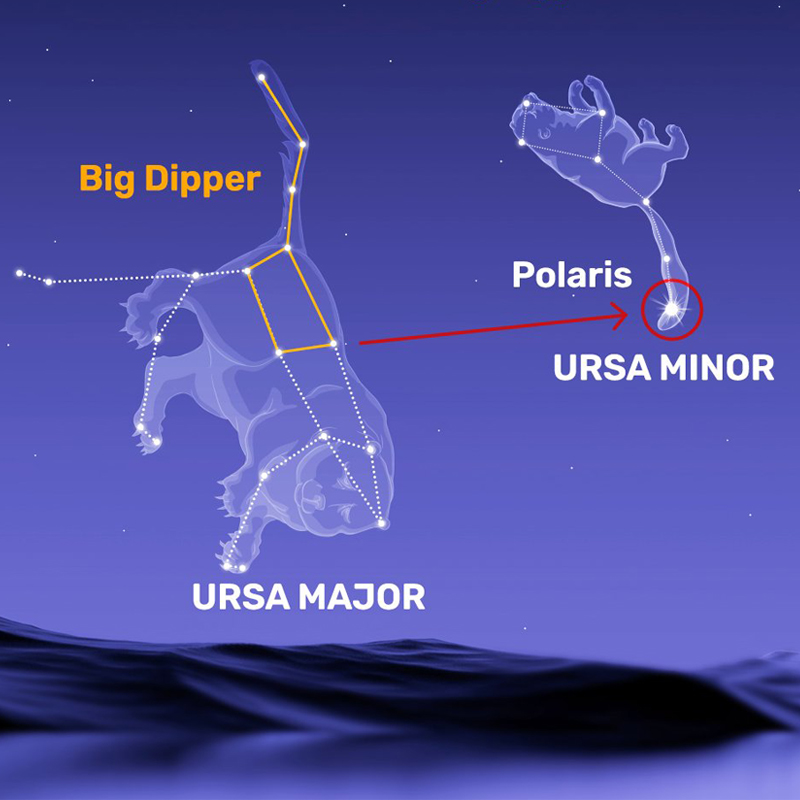
Capturing the beauty of the Milky Way can be challenging, especially in Malaysia, where the Polaris is close to the horizon, making polar alignment tricky. That’s why we’ve included star tracker setup as one of the key techniques in this course to help overcome this challenge.
WORKSHOP PRICING OPTIONS
Access this workshop and community in two ways
Option 1
Purchase This Workshop Only
Option 2 (Recommended)
Access Within Membership
WHAT TO EXPECT AT YOUR MILKY WAY WORKSHOP:
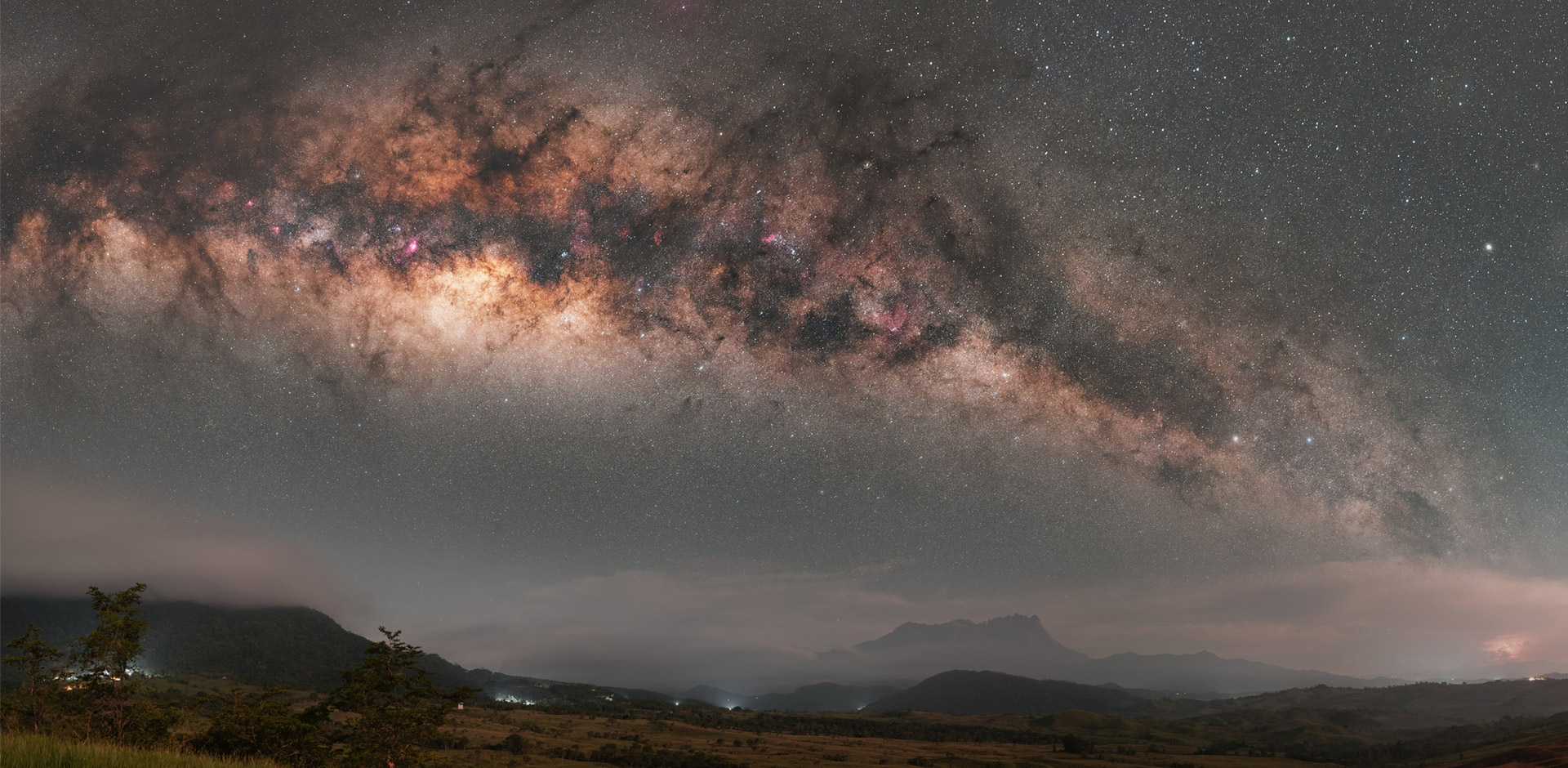
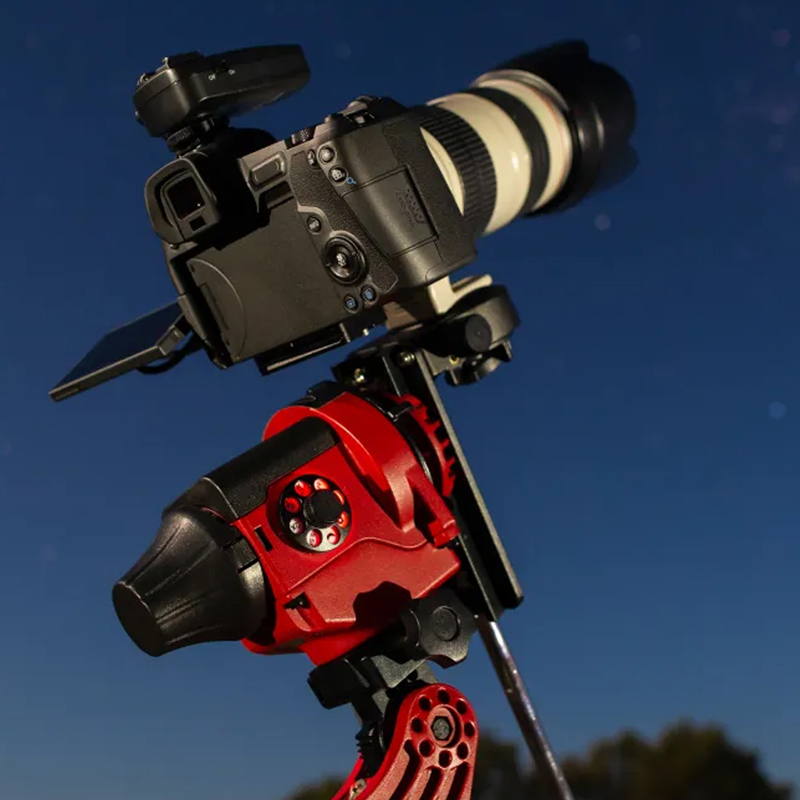
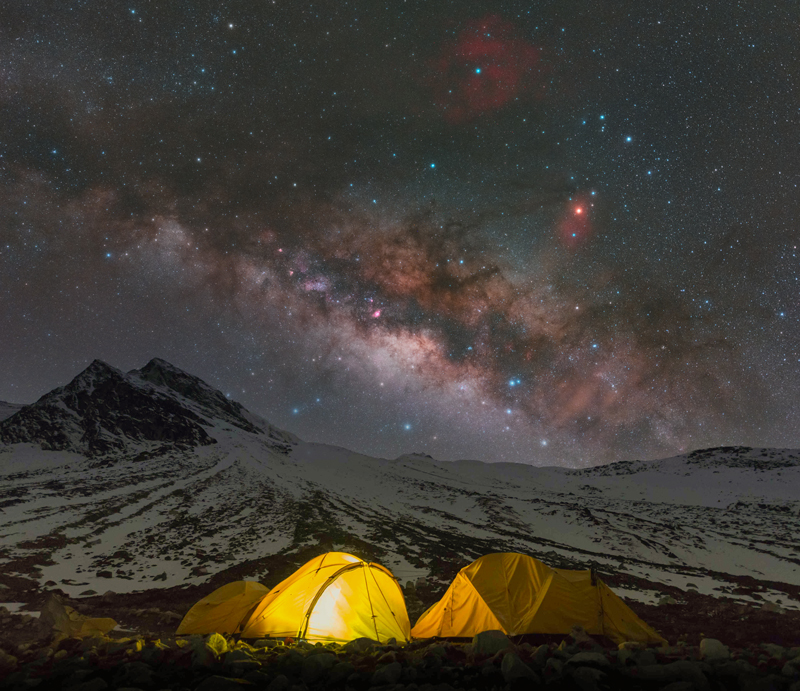
In this workshop, you’ll learn how to use a star tracker when Polaris is close to the horizon, master long exposure techniques with the tracker, and discover how to mount your camera on it for optimal results. We’ll also cover AstroPanel post-processing techniques to enhance your Milky Way photos. With plenty of hands-on experience in the field, you’ll leave with the skills and confidence to capture breathtaking images of our galactic core.
Fundamentals : Learn the essentials of capturing Milky Way astroscapes, from setting up your star tracker to mastering long exposure, composition, and multiple exposure techniques.
Hands-On Instruction: Receive personalized guidance and expert tips throughout the hands-on process.
Post-Processing Tips: Explore essential AstroPanel post-processing techniques to enhance the Milky Way and unlock the full potential of your night sky photos.
IN THE 3-HOUR WORKSHOP, YOU WILL LEARN::
- How to capture stunning shots of the Milky Way
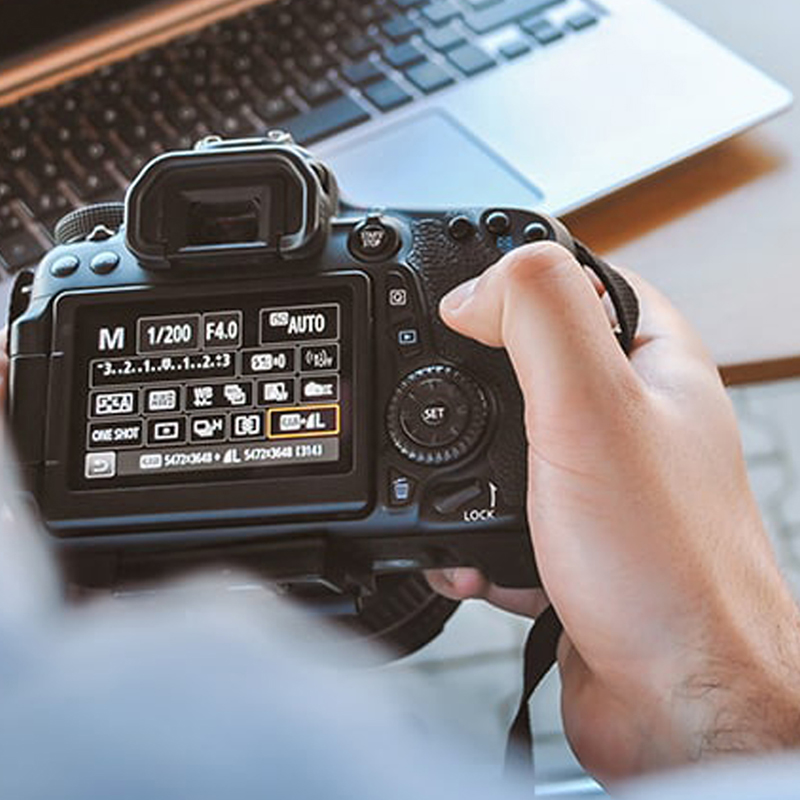
- The correct camera settings for milky way tracking
- Tips for focusing in the dark
- How to set up composition at night
- The multi exposure and image stacking
- Techniques for sky and foreground blend
FREQUENTLY ASKED QUESTIONS (FAQs) :
FAQ 01
FAQ 01. CAN I ATTEND IF I’M NOT A STARHUNTER MEMBER?
Yes! The Milky Way Workshop is designed especially for anyone who has a DSLR camera/ Mirroless Camera they’re learning to use. You don’t need to be a Starhunter member to attend – non-members are always welcome.
Friends and Hobbyist members enjoy free access to events as part of their membership.
FAQ 02
FAQ 02.WHERE ARE MILKY WAY WORKSHOPS HELD?
We’re a regular at the Starhunter Astronomical Collaboration Gateway, a modern and comfortable venue that offers easy access and hosts our workshops.
FAQ 03
FAQ 03.CAN I ATTEND IF I DON’T HAVE A CAMERA?
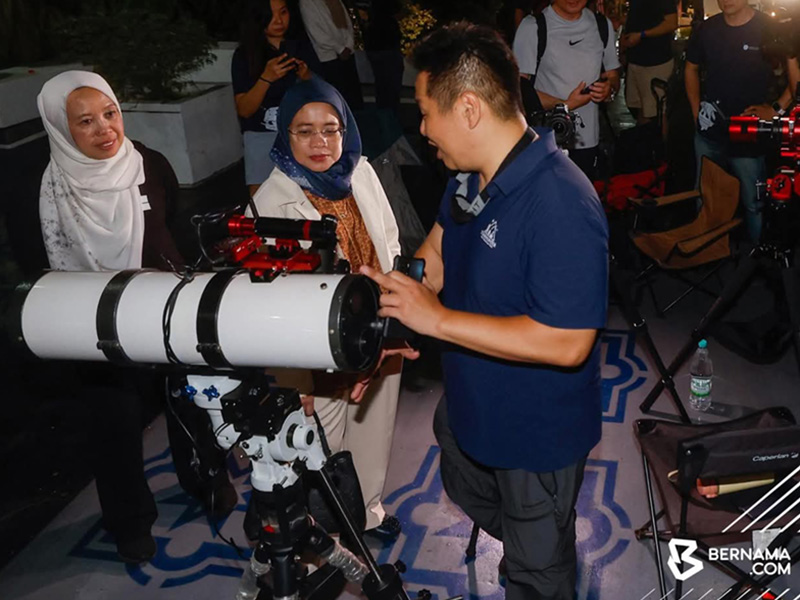
Yes! If you don’t have a camera and lens, you’re still very welcome to join the Milky Way Workshop. It’s a fantastic opportunity to learn more about camera and lens in general and find out which type might be best for you if you’re considering a purchase. You’ll also get to see various types of camera, focal length camera lens and even telescope camera lens, interact with their owners, and chat with experts to help you make an informed decision.
FAQ 04
FAQ 04.DO I NEED A PRIVATE MILKY WAY LESSON INSTEAD?
Private Milky Way Workshops are ideal for those who don’t have the time to attend a group class or need immediate assistance in learning how to use a DSLR or Star Tracker—especially if you’re planning a trip and want to be ready to use your Star tracker set up while on holiday.
A private lesson is also a great option for those with more complex astrophotography, such as star tracker. These types of star tracking often require more in-depth guidance, and one class may not be enough to get you fully comfortable with them. Our Milky Way Workshops will cover Equator Polar Alignment which is an important step in using equatorial mounts. You might prefer to have a private lesson instead where you can receive small group(1-5) learning lesson.
FAQ 05
FAQ 05.HOW EXPERIENCED IS YOUR TEAM?
All of our Starhunter Astro Master guides have extensive experience working with a wide variety of camera and lens, astrogears, including popular brands like ZWO, nikon, sony, canon and more.
FAQ 06
FAQ 06.WHAT IF IT’S CLOUDY OR RAINING?
All events will proceed as scheduled, regardless of weather conditions. While cloudy or rainy weather can sometimes occur, Starhunter Alliance works to adjust the event to maximize opportunities for outdoor activities. If the weather prevents us from being outside, we offer a variety of alternative indoor activities, demonstrations, and assistance, which will take place in a covered area or on a sheltered verandah, ensuring a great experience for all attendees.
Capturing the deep sky has been a dream of mine since I was young.
Thanks to the advancement of astrophotography technology and the support from Starhunter, I’ve finally been able to fulfill my long-held dream of photographing the distant universe.
- Steven Lim
Such a long journey 5 years of sweat and tears to get astrophotography pictures that I have been dreaming off wanting to take but cannot take till now... so so grateful for starhunter help!
- Micheal
LEGAL
Starhunter Alliance Terms & Conditions
The Starhunter Alliance is community platform dedicated to promote astronomy education, outreach, astro tourism, and dark sky preservation through the art of astrophotography.
October 7, 2013
In
If you’re willing to undertake a steep climb, Parken Gompa (3,945m) can be reached fairly easily from Manang. From the Gompa, visitors are rewarded with breathtaking views of Annapurna II, Annapurna IV, Gangapurna, and Tarke Gang. The vistas are truly awe-inspiring and well worth the challenging trek to reach the Gompa.
October 7, 2013
In
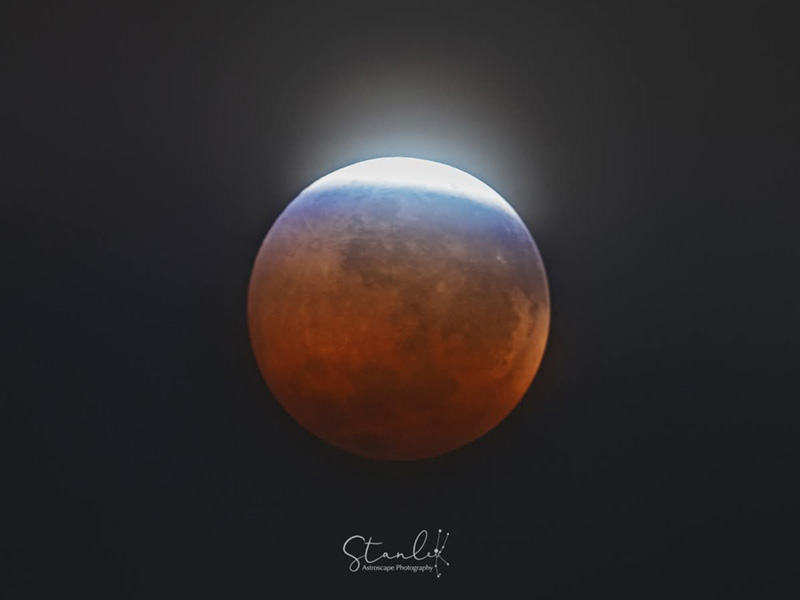
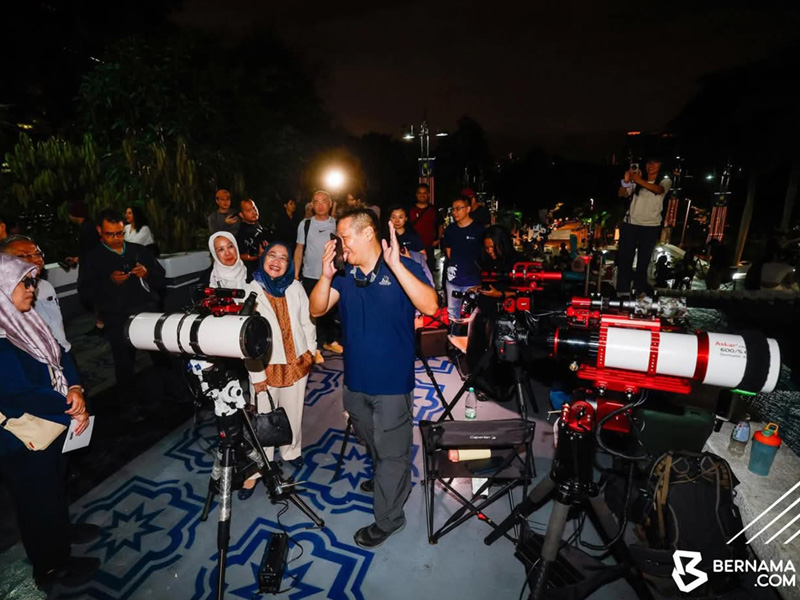
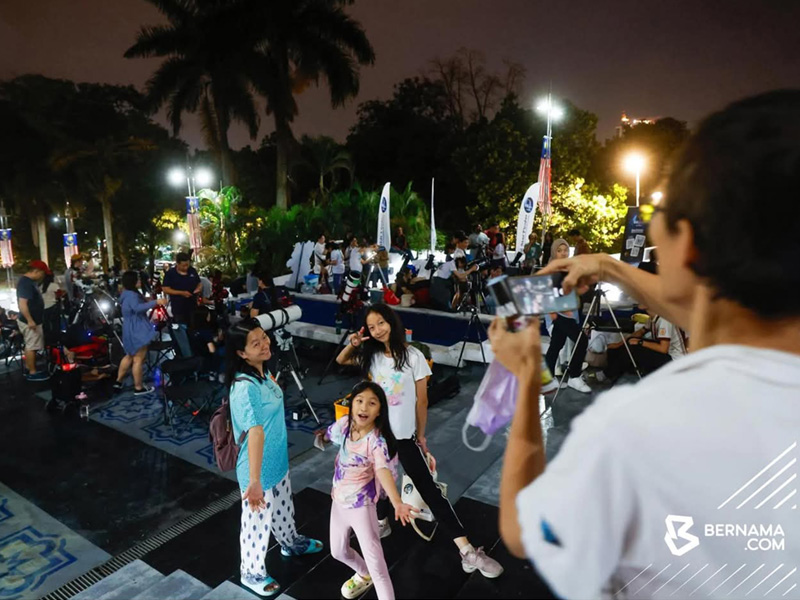
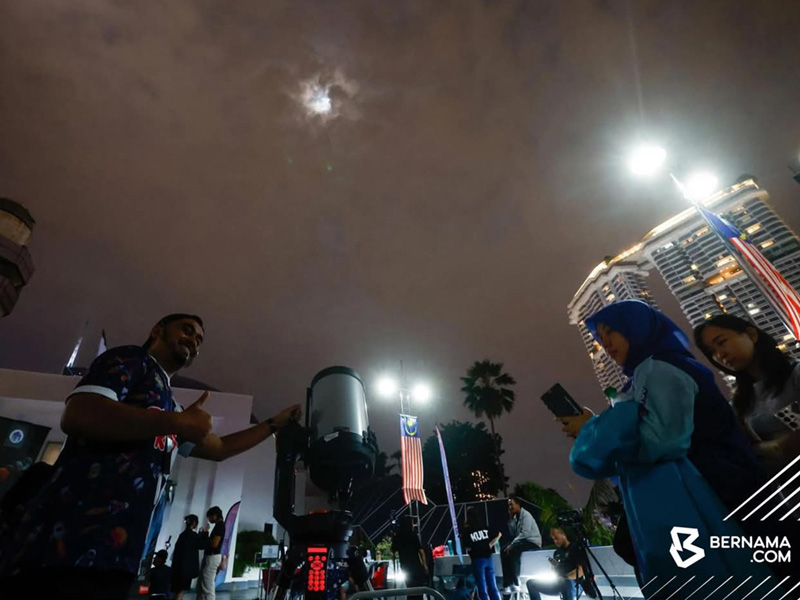
‘Blood moon’ lights up sky in rare full lunar eclipse
In case you’re not interested in making a detour to Tilicho Lake, there’s another activity worth considering in Manang: a short trip to the charming village of Khangsar.During our trek from Manang to Tilicho Lake Base Camp, we stopped by Khangsar along the way. However, you can also get there directly from Manang in about two hours, with an elevation gain of 200 meters each way. It’s a great option for a quick and rewarding excursion.