


Portfolio Categories Remote Imaging
-1
archive,tax-portfolio_category,term-remote-imaging,term-28,wp-theme-stockholm,stockholm-core-2.3.2,select-theme-ver-9.2,ajax_fade,page_not_loaded,,qode_grid_1200,qode_footer_adv_responsiveness,qode_footer_adv_responsiveness_1024,qode_footer_adv_responsiveness_one_column,qode_menu_,qode-mobile-logo-set,wpb-js-composer js-comp-ver-6.10.0,vc_responsive
Title Image

Archive

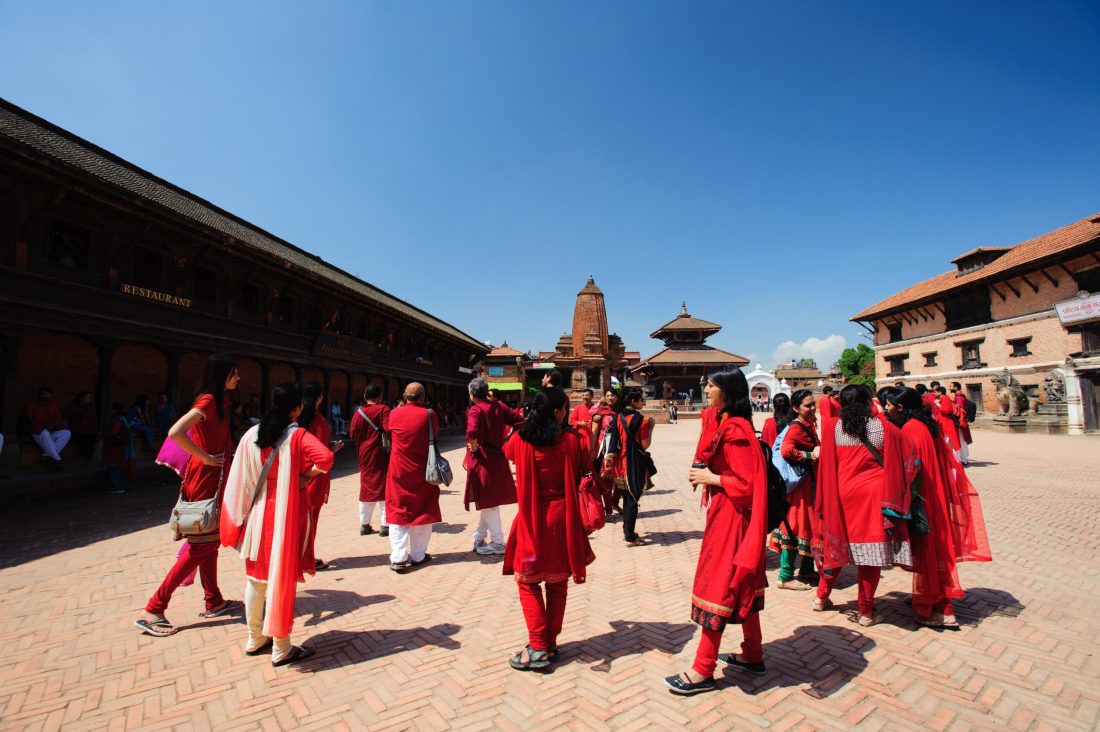
Nepalese Cultural Diversity

Nepal, previously known as the Kingdom of Nepal, is a culturally rich country with a diverse heritage. The Nepalese culture is a blend of Indo-Aryan and Tibeto-Mongolian influences, resulting from a long history of migration, conquest, and trade. It draws from both Hindu and Buddhist sources, featuring many symbolic representations of each.

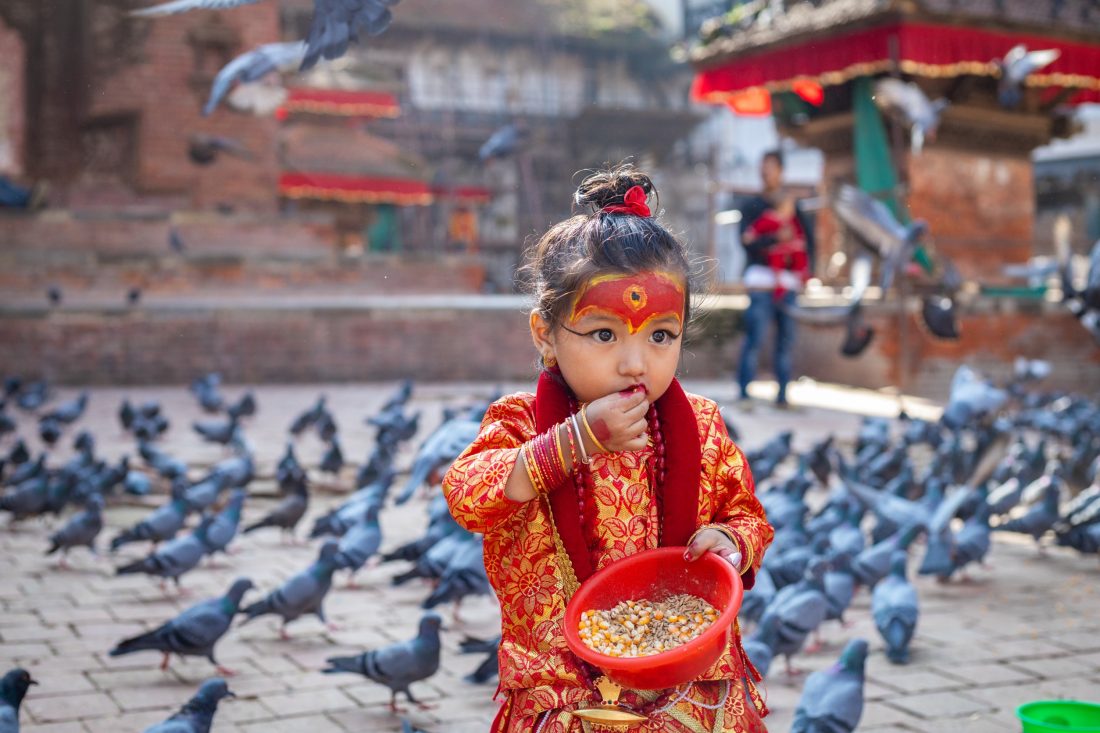
This multi-dimensional cultural heritage is comprised of the diverse traditions of various ethnic, tribal, and social groups inhabiting different altitudes. It is manifested through various forms, such as music and dance, art and craft, folklores and folktales, languages and literature, philosophy and religion, festivals and celebrations, and foods and drinks. Several symbols are important for the nation as a whole, such as the national flower and bird – the rhododendron and Danfe (Lophophorous) – as well as the flag and the crossed Kukhris (curved knives) of the Gurkhas.

In nationalistic rhetoric, the metaphor of a garland with hundreds of flowers is used to symbolize national unity amid cultural diversity. The Nepalese believe in the principle of “unity in diversity,” which is their speciality.
Religious Traditions Of Nepal

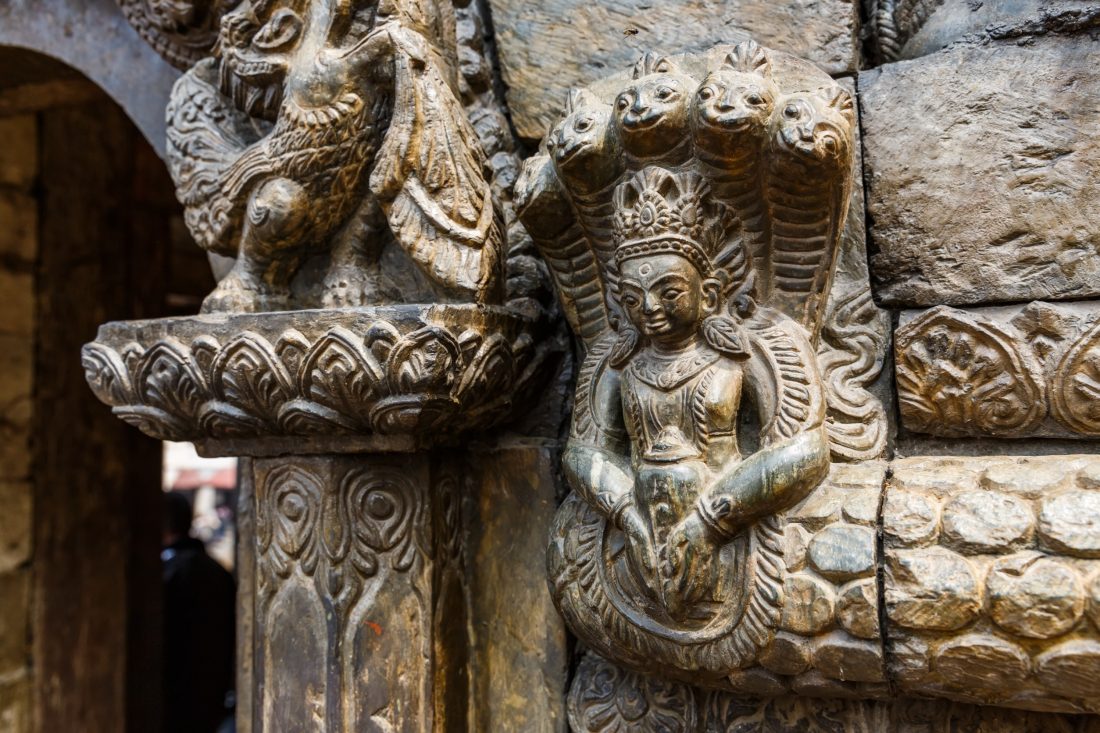
Nepal boasts a rich and distinctive Buddhist heritage that spans centuries. This can be attributed to the profound reverence of the Nepalese people towards Buddha, who was born in the country’s Lumbini region, located in the capital city of Kathmandu, within the precincts of an ancient and renowned Shiva temple. In addition to this significant site, Nepal is also home to numerous other temples, monasteries, and sacred sites that cater to diverse religious groups.

Nepal is home to various philosophical and religious traditions that are celebrated by its people, including both Hindu and Buddhist beliefs. These include the Kashmir Shaivism and Tibetan Buddhism traditions, as well as various tantric practices.

However, it’s worth noting that the practice of animal sacrifices, which is a part of some tantric traditions, is not widely practiced in Nepal. Despite the existence of these traditions, the country has largely moved away from such practices, and they are not considered to be functional in modern Nepalese society.

Religious groups believe that Nepal, situated in the Himalayas, is the abode of the Gods and holds a special association with Lord Shiva. Over time, Nepal has made slight changes to the general categories of Buddhist stupas found at archaeological sites. The traditional family life in Nepal is deeply rooted in the customs and religious beliefs of both Hindus and Buddhists.

Nepali Dance And Music

Dance traditions are an integral part of Nepalese culture, particularly during special occasions. These dance forms have their origins in Lord Shiva’s abode on the Indian subcontinent. The Tandava dance, for instance, was first performed by Lord Shiva himself in the Himalayan Kingdom of Nepal.

In addition to their origins, Nepalese dance traditions are also diverse in type. The Mishka dance, for instance, is a popular wedding dance that features intricate footwork and arm gestures. Music also plays a significant role in Nepalese dance culture.

Nepalese dance themes are inspired by a variety of cultural events, including agricultural harvesting, marriage rites, war stories, and tales from ordinary villages. These performances are typically accompanied by the sounds of different musical instruments, which can vary depending on the specific dance and region.

Kathmandu

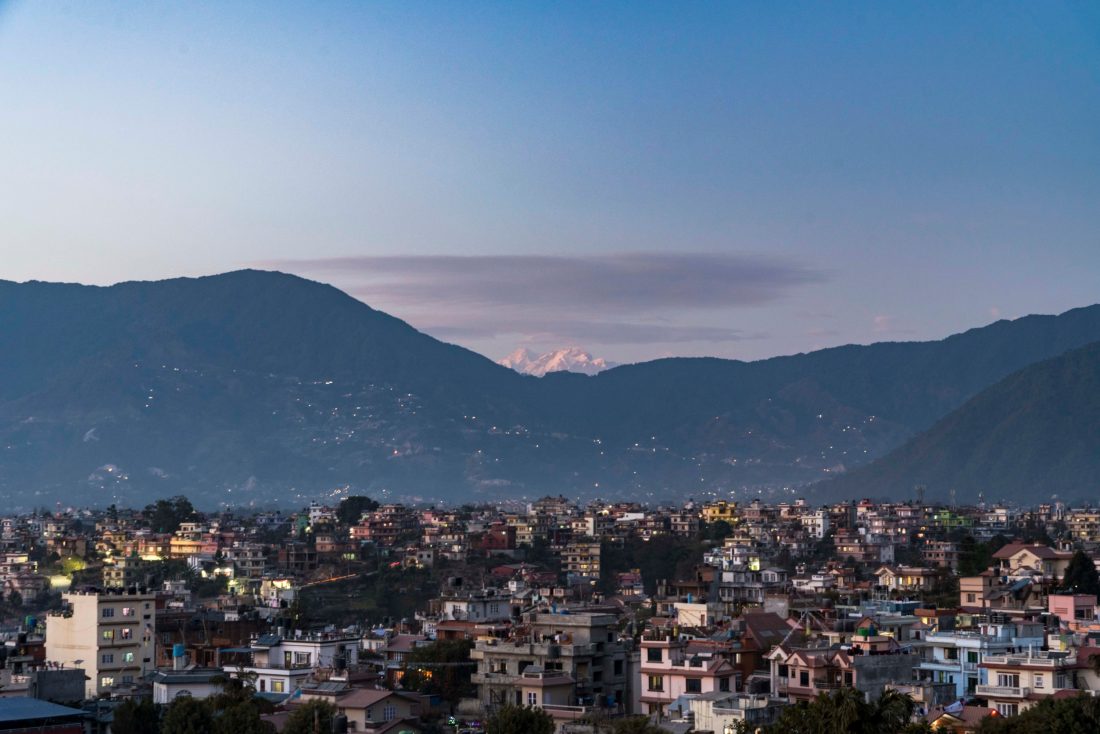
Kathmandu, the capital of Nepal, is alternatively spelled as Katmandu or Kantipur. It is situated in a hilly region near the confluence of the Baghmati and Vishnumati rivers, at an altitude of 4,344 feet (1,324 metres) above sea level.

Raja Gunakamadeva founded the city in 723, and it was initially named Manju-Patan. Later, it was renamed Kathmandu, which refers to a wooden temple (kath meaning “wood” and mandir meaning “temple” or “edifice”) constructed in 1596 from the wood of a single tree by Raja Lachmina Singh. A building believed to be the original structure still stands in the central square and serves as accommodation for sadhus (holy men).

Kathmandu owes its status as Nepal’s primary business and commercial center to the hard work of its Newar merchant families. In the 1970s, the city became the focal point of the national transportation system after the development of new roads and expansion of air service. This transformation was a major shift from the previous centuries when footpaths were the only means of transportation. Today, Kathmandu serves as the transportation hub for the country, connecting people and goods across Nepal.

The two primary streets in Kathmandu present a stark contrast to the older parts of the city characterized by narrow streets and brick houses featuring intricately carved doors and windows. Following the destruction caused by an earthquake in 1934, numerous modern-style buildings were constructed in the city. While these new structures serve practical purposes, they stand in sharp contrast to the charming and historic architecture that can be found in the older parts of Kathmandu.

Manang

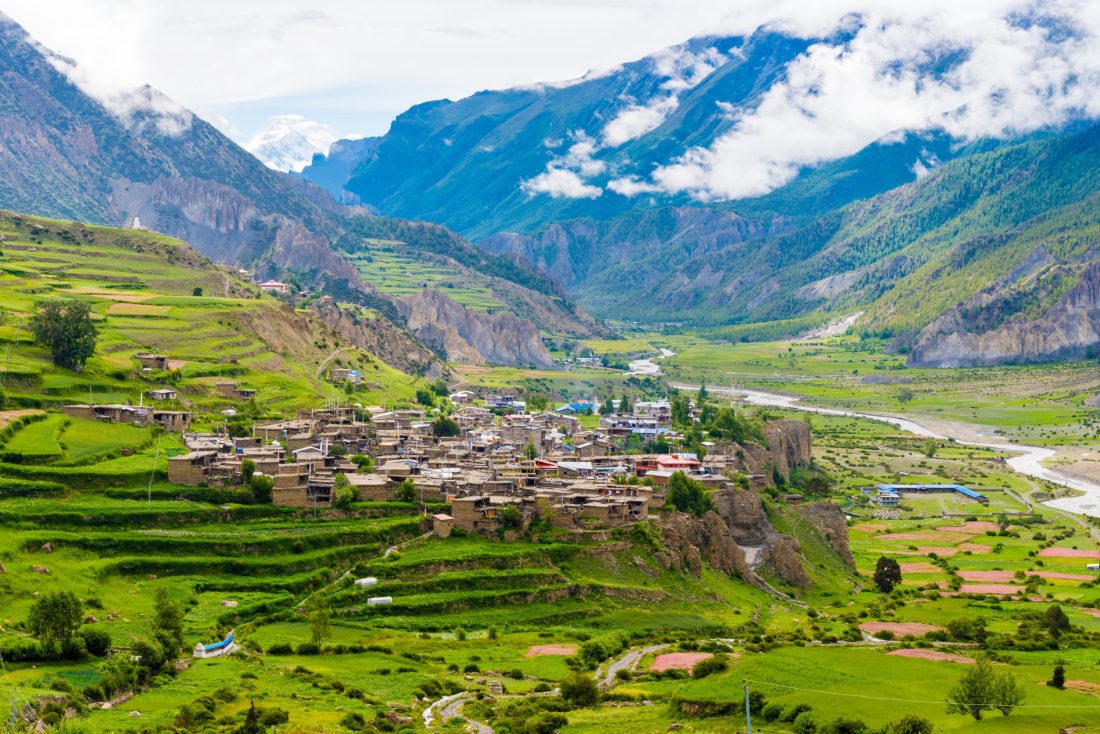
Manang, situated at an elevation of 3518 meters, is a stunning village perched on the cliffs in the northern region of the Annapurna Range. Its dry and arid landscapes may remind you of a desolate desert, but the culture and lifestyle of the local Manangi people are vibrant and lively, offering a unique contrast to the surrounding natural beauty.

Manang is often referred to as the “crown jewel” of the renowned Annapurna Circuit Trek, owing to the breathtaking views of snow-capped mountains such as Mt. Dhaulagiri (8,167 m), Mt. Manaslu (8,163 m), Mt. Annapurna (8,091 m), and more that can be seen from here. The view of the distinctive Mt. Machhapuchhre (6,993 m), also known as the “fishtail mountain,” is particularly stunning.

Manang, a stunning village perched on the edge of cliffs in the northern region of the Annapurna Range, is often a welcome respite for trekkers on the remote Annapurna Circuit. With its tranquil atmosphere, it is an ideal place for acclimatization before continuing the trek. In addition to its natural beauty, Manang offers various side trips that are worth exploring, such as visiting the pristine Gangapurna Lake and Glacier or taking a hike to Braga.