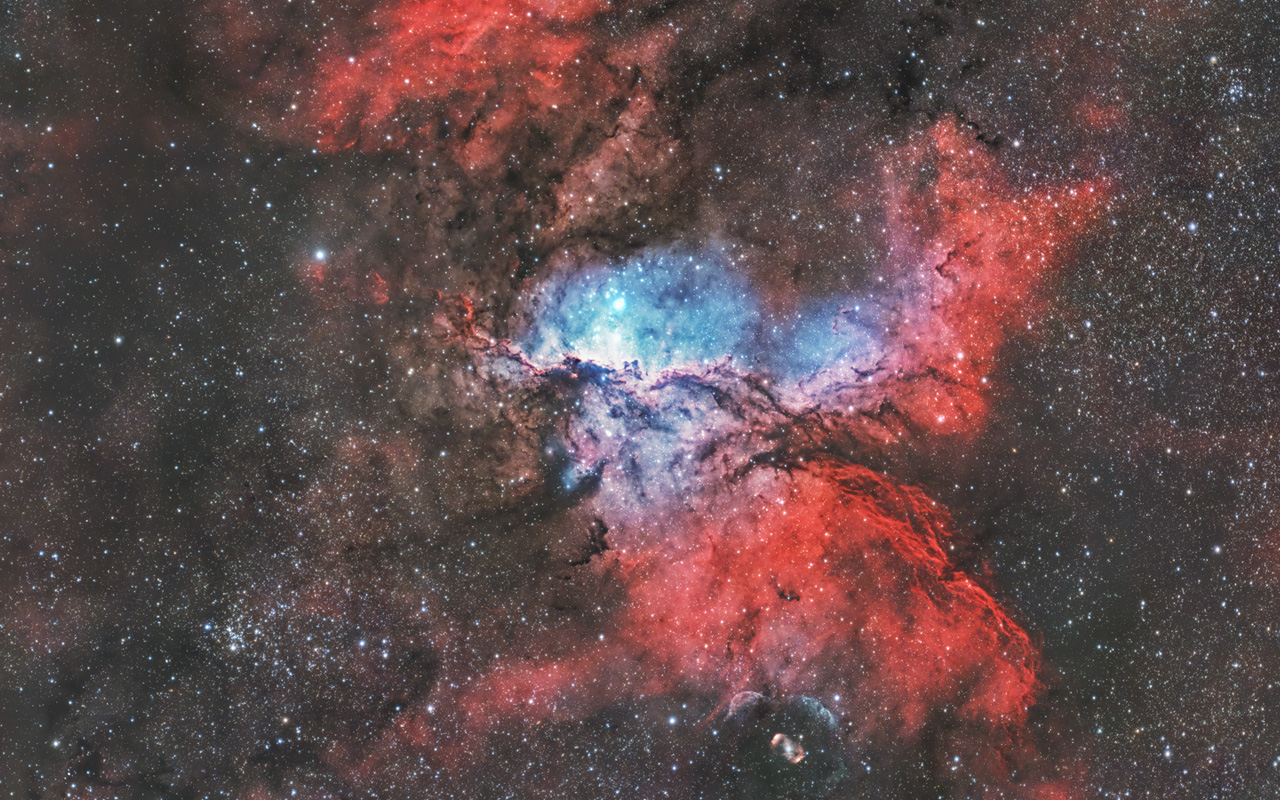
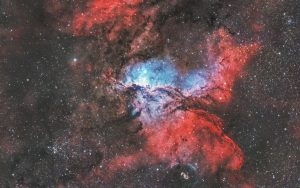
This image of NGC 6188, the Fighting Dragons of Ara Nebula, was captured by Steven Lim Chee Sun, Starhunter Astrophotographer, under the exceptionally dark skies of Mount Bromo, Indonesia.Using a William Optics telescope, ZWO AM5N mount, and ZWO ASI2600MC Air, Steven collected a total of 1.5 hours of exposure data. With a specialized Antlia Tri-Band Filter, he was able to enhance the nebula’s key emission regions and bring out its delicate structures, glowing gases, and intricate dust clouds.




Starhunter Astrophotographer — Steven Lim Chee Sun
Despite the relatively short integration time, the image reveals the dramatic form of NGC 6188—showing why this remarkable southern-sky nebula has earned its evocative name, the Fighting Dragons of Ara.
NGC 6188 — Fighting Dragons of Ara
Object Type: Emission Nebula / Star-Forming Region
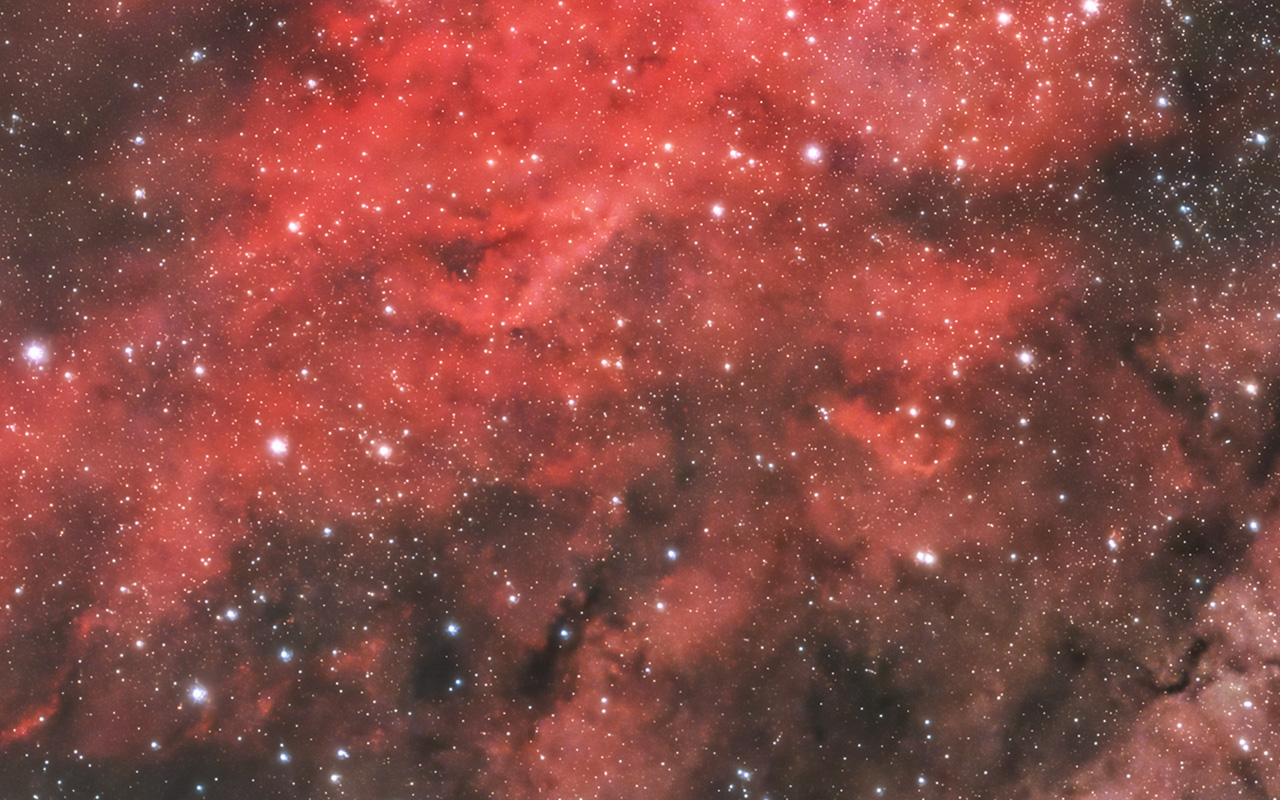
Look closely at this image.Deep in the southern constellation Ara, the Altar, two enormous dark shapes appear to twist and collide among clouds of glowing gas.This is NGC 6188, an emission nebula known by several names — the Fighting Dragons of Ara, the Rim Nebula, and the Firebird Nebula.Located roughly 4,000 light-years from Earth, it is one of the spectacular deep-sky treasures hidden within the southern Milky Way.
The plane of the Milky Way passes through the northwestern part of Ara, filling this region of the sky with rich clouds of stars, gas and dust.NGC 6188 lies along the edge of a massive molecular cloud. Its dark, twisting dust lanes create shapes that resemble two mythical dragons locked in battle — giving rise to its most dramatic nickname:
The Fighting Dragons of Ara.
But these dragons are not mythical.They are enormous structures of interstellar gas and dust, sculpted by young, powerful stars.
Star Formation
NGC 6188 is an active star-forming region.
The young stars forming inside and around the nebula are only a few million years old. Their intense ultraviolet radiation ionises the surrounding hydrogen gas, causing it to glow. At the same time, powerful stellar winds push against the surrounding material, carving cavities and sculpting the intricate shapes we see in this photograph. Astronomers believe that the current burst of star formation may have been triggered by an earlier generation of massive stars — possibly when some of those stars ended their lives as supernovae.
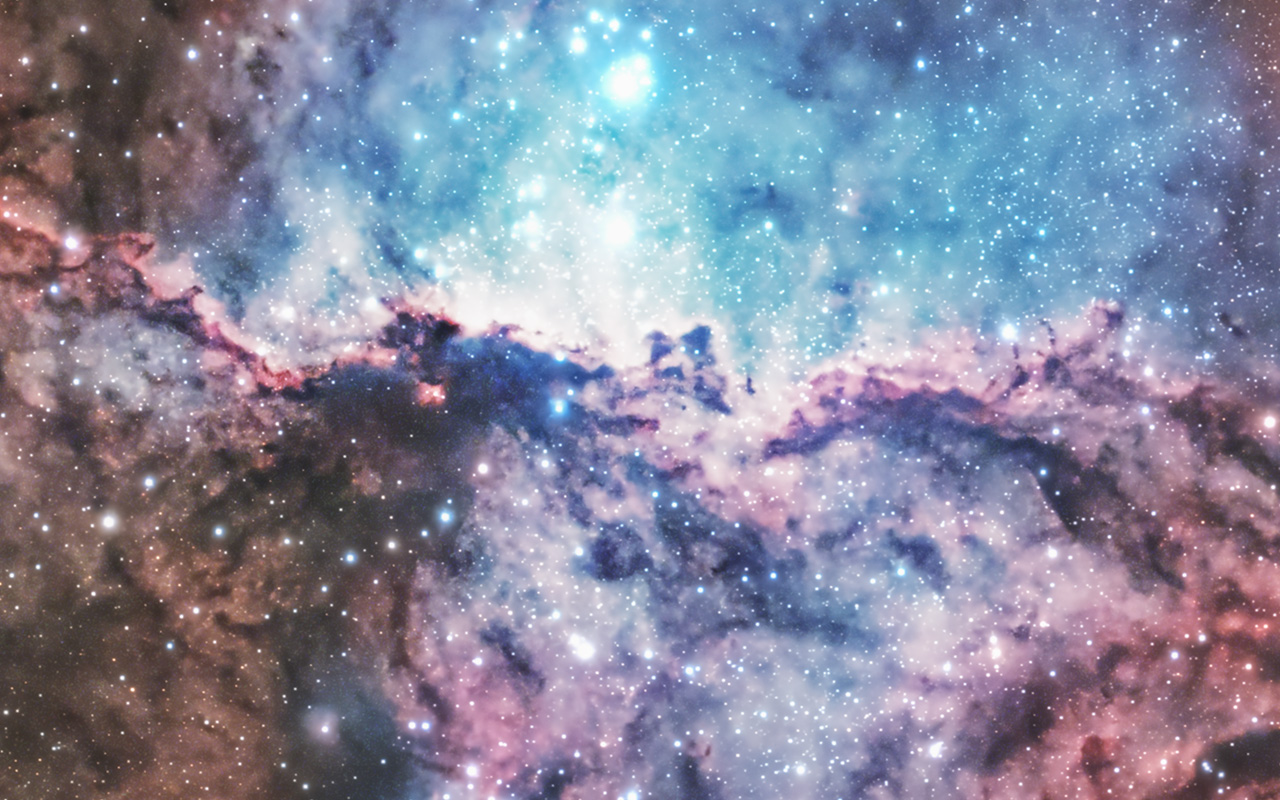
NGC 6193 — Star Cluster
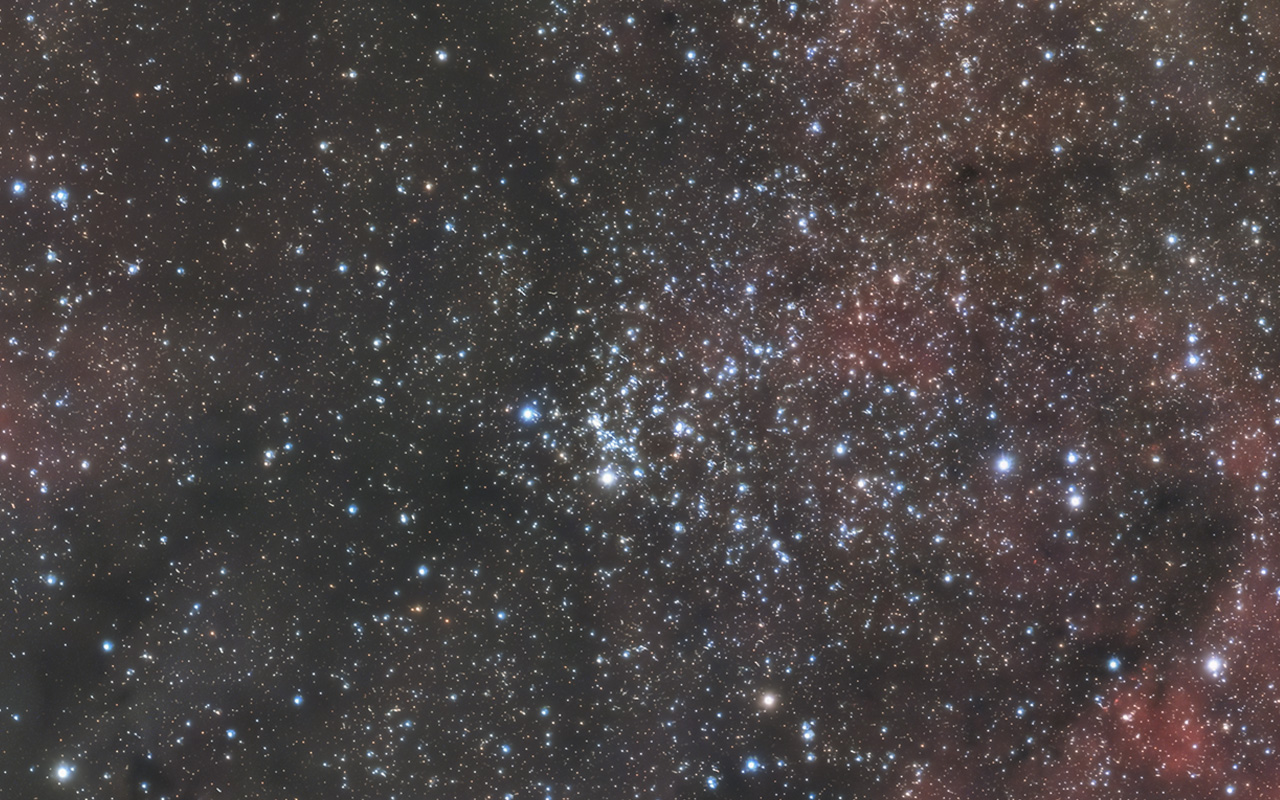
Now look slightly above and to the left of the dragons. There you can find the bright open cluster NGC 6193.
Remarkably, this cluster is bright enough to be visible to the naked eye under dark skies. The brightest stars within NGC 6193 are among the hottest stars known. Their enormous energy is helping illuminate and shape the surrounding nebula. Their radiation ionises the hydrogen along the edge of the massive molecular cloud, while their stellar winds continue to sculpt the nebula’s dramatic silhouettes.
NGC 6193 is also responsible for a region of reflection nebulosity within NGC 6188.
The Dragon’s Egg
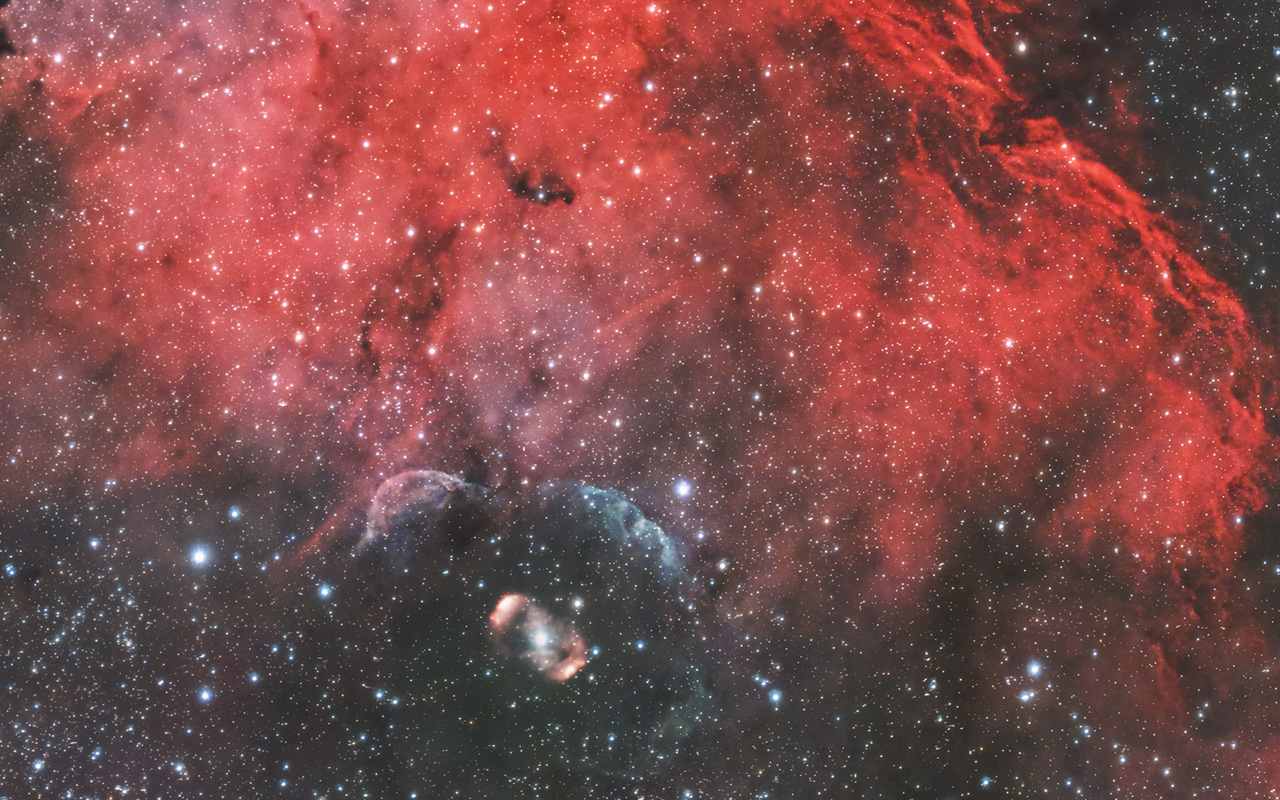
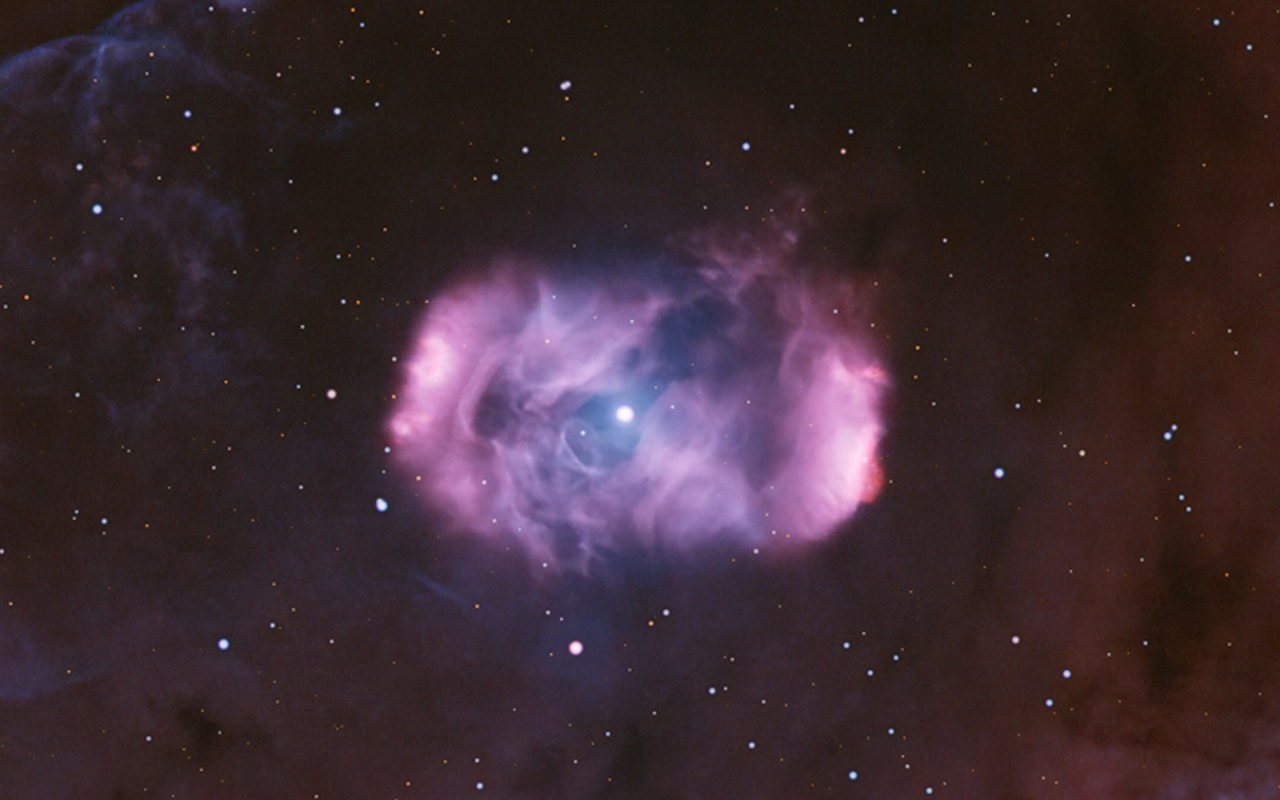
And if you look toward the lower part of the image, another fascinating object may appear. This is often referred to as “the Egg” or “Dragon’s Egg” — NGC 6164. It is a glowing blue gaseous nebula surrounding a massive central star. Its compact, rounded appearance creates a striking contrast with the enormous, dark and chaotic structures of NGC 6188. Together, these objects create one of the most fascinating deep-sky landscapes in the southern Milky Way.
For astrophotographers, NGC 6188 is a challenging but rewarding target. The image contains an extraordinary range of structures — from bright emission regions and reflection nebulosity to dark molecular clouds that absorb the light behind them.
Long exposures and image stacking allow us to collect faint photons that are invisible to the human eye.
Careful processing then reveals the delicate contrast between the glowing hydrogen gas, dark dust lanes and brilliant young stars.
What looks like two dragons fighting is actually the result of millions of years of stellar evolution.
NGC 6188 reminds us that the universe can turn physics into something that looks almost mythical.
A massive molecular cloud.Young stars only a few million years old. Powerful radiation and stellar winds. And perhaps the explosive death of an earlier generation of stars.Together, they have created this extraordinary cosmic landscape.
The Fighting Dragons of Ara.
Not creatures of mythology — but a stellar nursery sculpted by the forces of the universe.
And through astrophotography, we capture their ancient light —
one photon at a time.
Starhunter — Capturing the Invisible Universe.
Object Fact Sheet — NGC 6188 — Fighting Dragons of Ara
Common Name: Fighting Dragons of Ara
Object Type: Emission Nebula / Star-Forming Region
Cataloged: NGC 6188
Other Names: Rim Nebula, Firebird Nebula
Constellation: Ara
RA (Right Ascension): 16h 40m 00s
DEC (Declination): −48° 47′ 00″
Age: A few million years
Distance: About 4,000 light-years
Apparent Magnitude: 5.0
Angular Size: About 20′ × 12′