From October to May, the Meili Snow Mountain National Park enters its dry season, bringing clear skies, stable weather, and exceptionally high chances of pristine night conditions. During this period, the region offers some of the finest opportunities in Asia to witness and photograph a truly breathtaking night sky. With minimal atmospheric disturbance and remarkably dark skies, it becomes the perfect natural stage for astrophotography.
Workshop
Capturing nightscapes and the Milky Way over the most picturesque areas of this Annapurna Circuit regionMeili Snow Mountain Night Sky Expedition
& Astrophotography Workshop
& Astrophotography Workshop
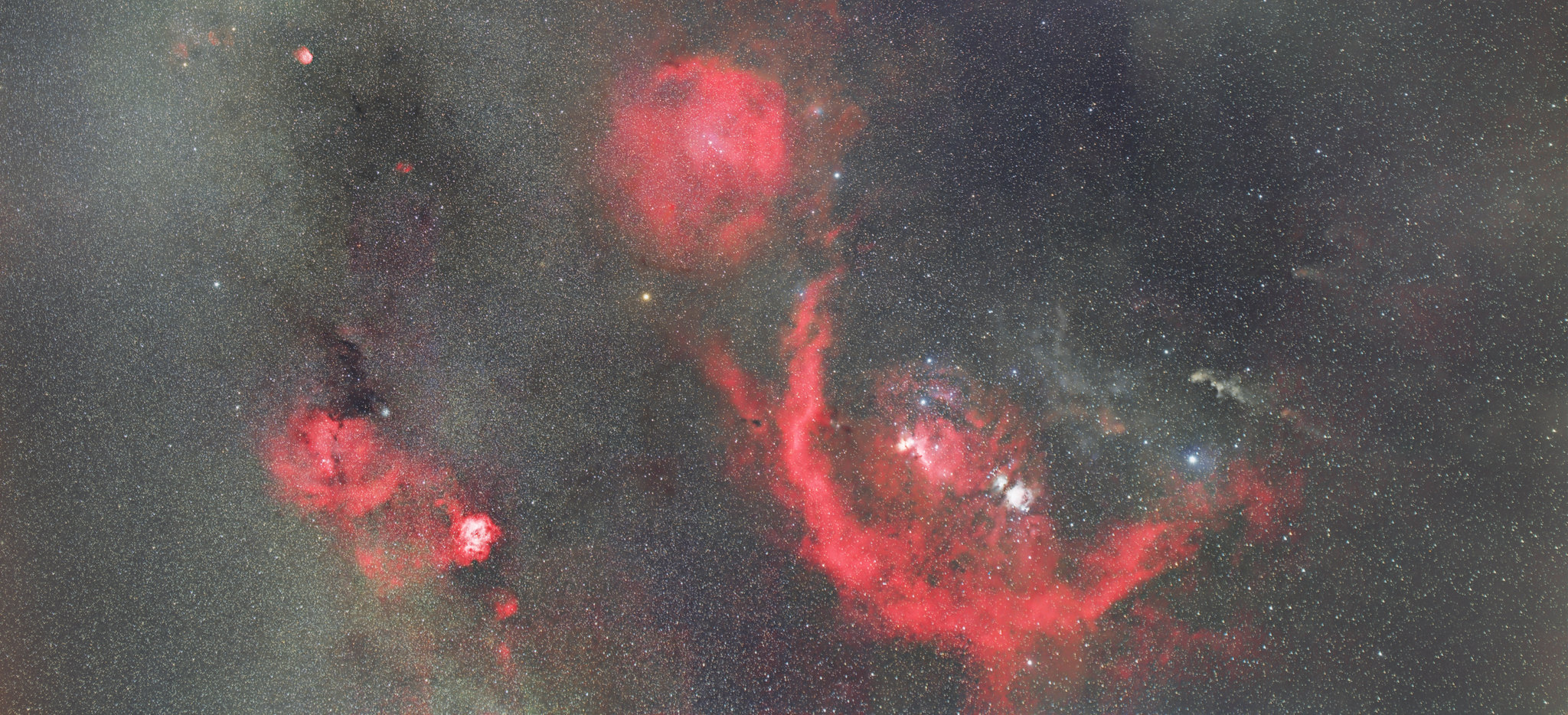
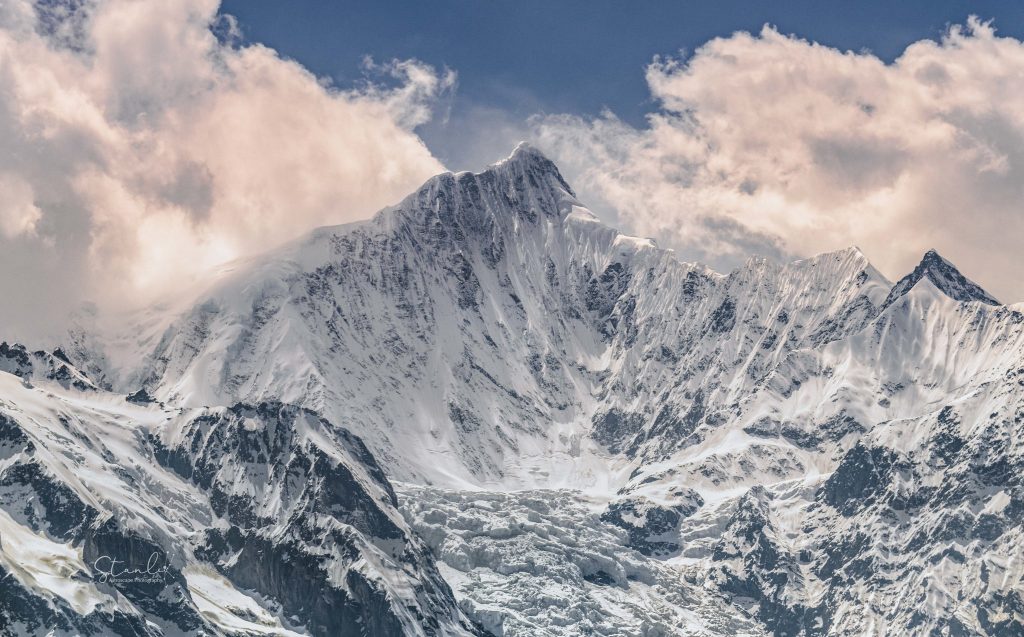
Towering above the landscape, the majestic Meili Snow Mountain forms a dramatic foreground for the cosmos. In the profound silence of the mountains, glowing snow-capped peaks reflect faint starlight while thousands of stars stretch endlessly across the heavens.On the clearest winter nights, the magnificent Orion constellation sets above the sacred peaks, its brilliant stars shining over the mountains. Beneath this timeless sky, the grandeur of the earth and the vastness of the universe come together, creating an unforgettable blend of landscape and cosmos.
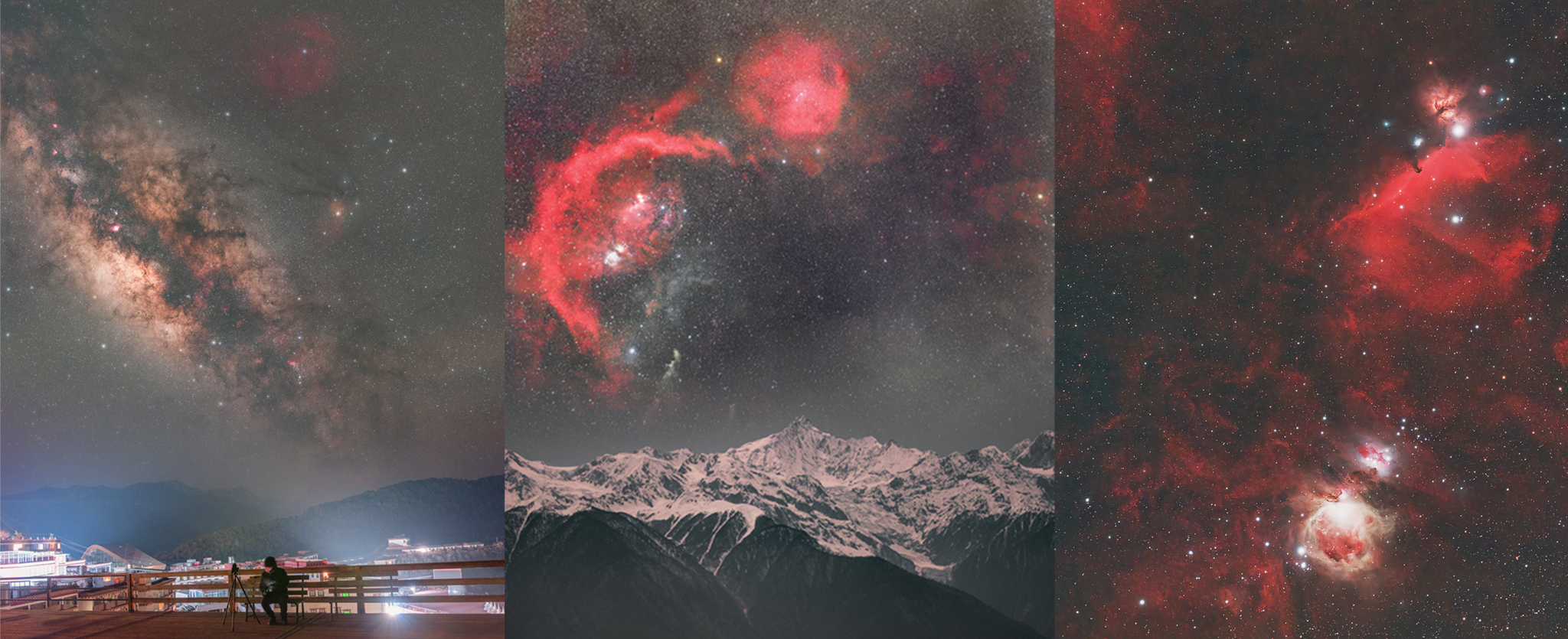
After the Orion constellation sets behind the sacred peaks of Meili Snow Mountain, the night sky continues its celestial performance. From the direction of Baima Snow Mountain, the magnificent Milky Way of the summer sky slowly rises, arching across the darkness in a river of starlight. In this rare alpine setting, the transition from the winter constellations to the glowing core of the Milky Way creates a breathtaking spectacle, where sacred mountains and the universe meet in perfect harmony.
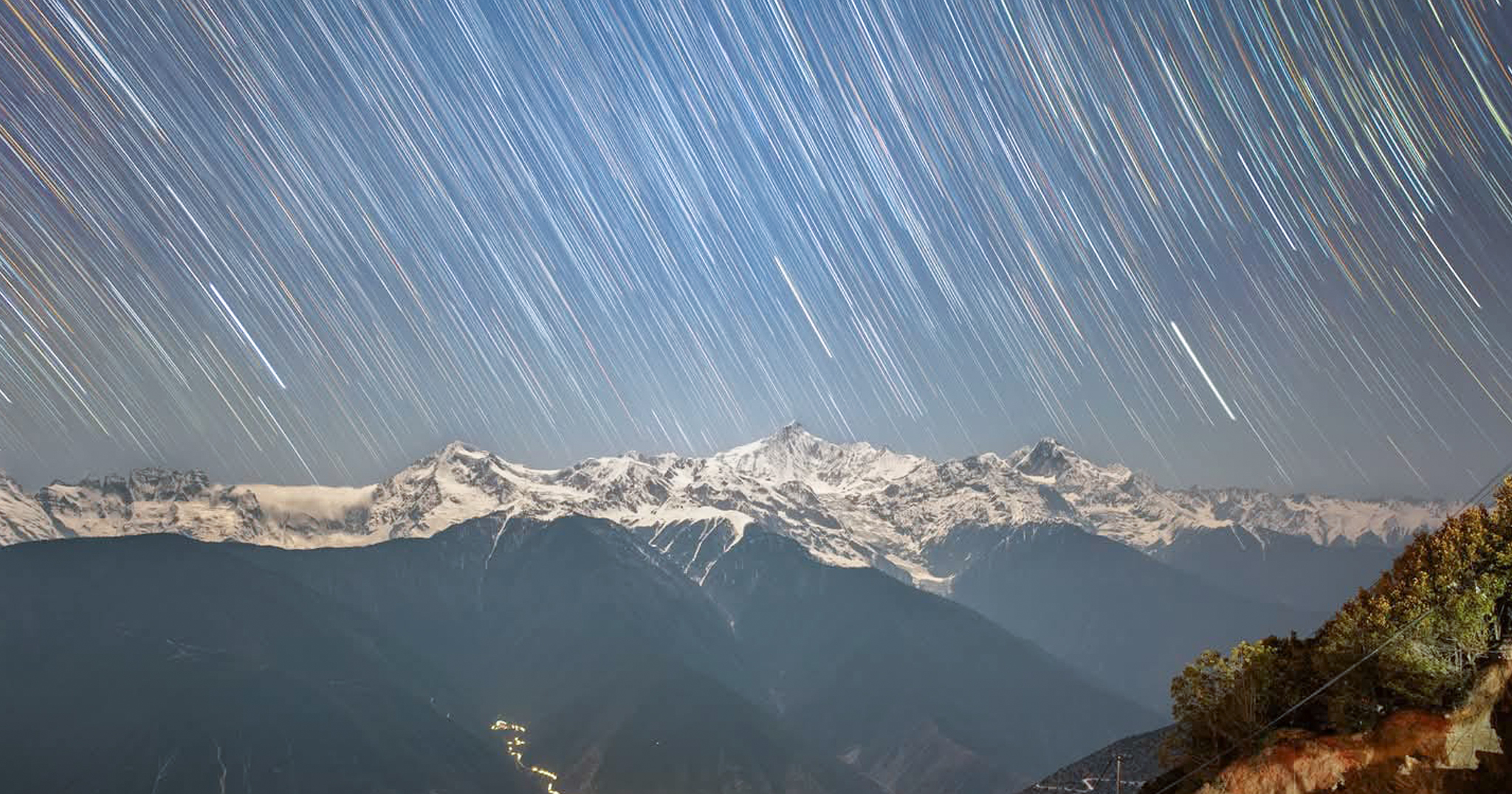
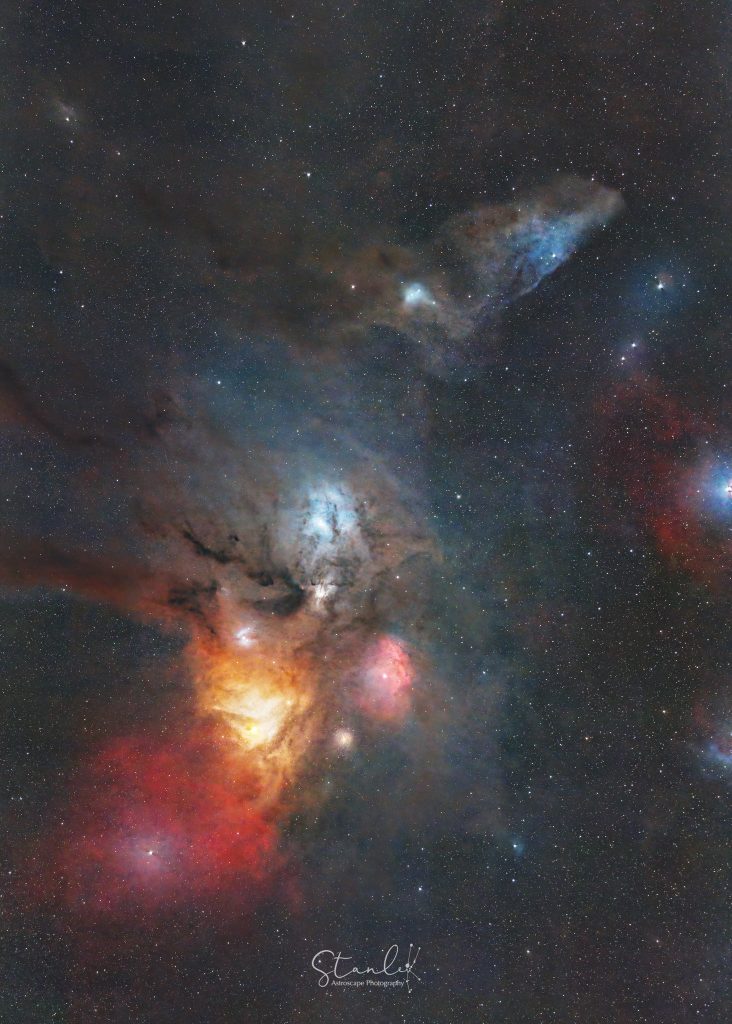
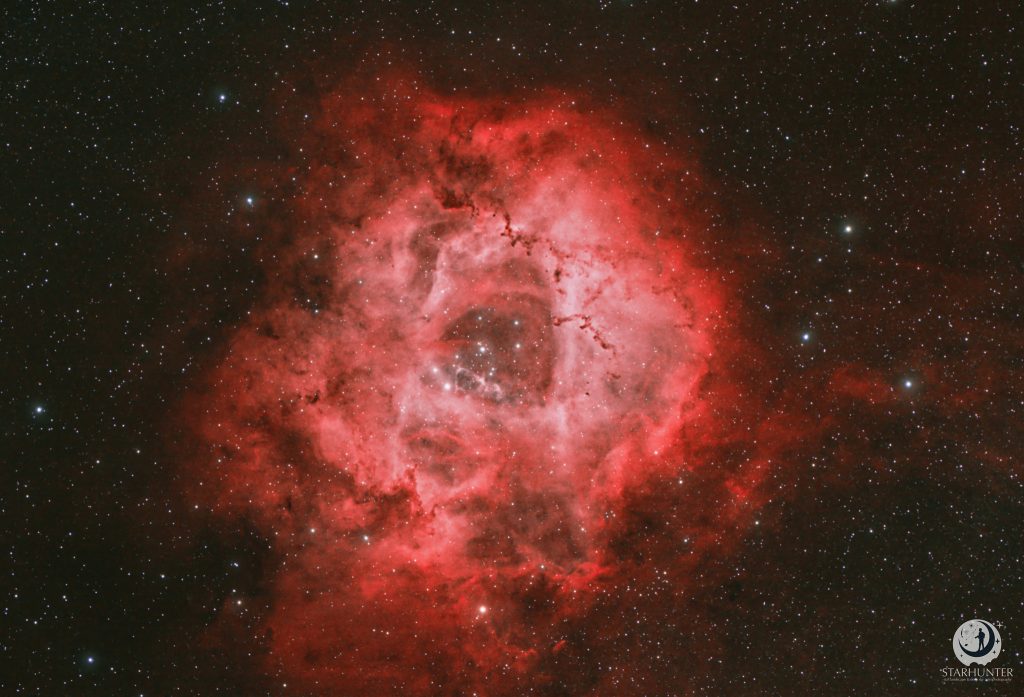
The Meili Snow Mountain Night Sky Expedition & Astrophotography Workshop is designed for photographers and astronomy enthusiasts who want to capture the ultimate astroscape experience. Our expedition will focus on photographing the Milky Way and deep-space widefield astroscapes over some of the most picturesque viewpoints in this extraordinary region.Participants will be guided to carefully selected locations that combine dramatic alpine scenery with some of the darkest skies available, allowing you to create amazing images of the universe above one of the most iconic mountain landscapes of Meili Snow Mountain in the world.
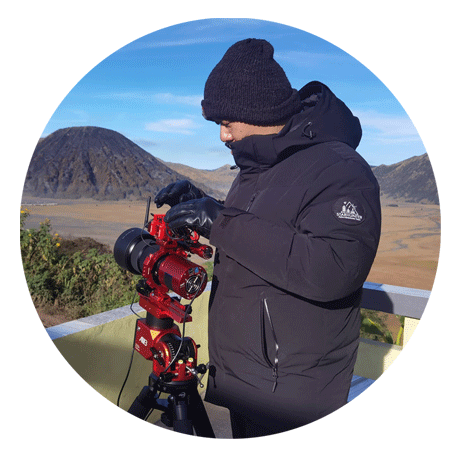
Your Instructor for the Meili Snow Mountain Astro Expedition & Workshop
Join the Meili Snow Mountain Astro Expedition & Workshop led by Stanley Tang, an experienced astro-expedition leader dedicated to helping participants capture extraordinary night sky images. Under Stanley’s guidance, you will learn essential astrophotography skills including composition, camera techniques, and post-processing for Milky Way photography, as well as the use of star trackers and advanced tracking methods.
Stanley is passionate about sharing his knowledge and helping others achieve their astrophotography goals. With extensive experience through articles, guides, online talks, and hands-on field workshops, he provides practical instruction both online and on location beneath some of the world’s most spectacular night skies.
Join Stanley on this inspiring journey of exploration and creativity. Discover the beauty of the cosmos, refine your astrophotography skills, and capture breathtaking images of the night sky in one of Earth’s most dramatic landscapes.
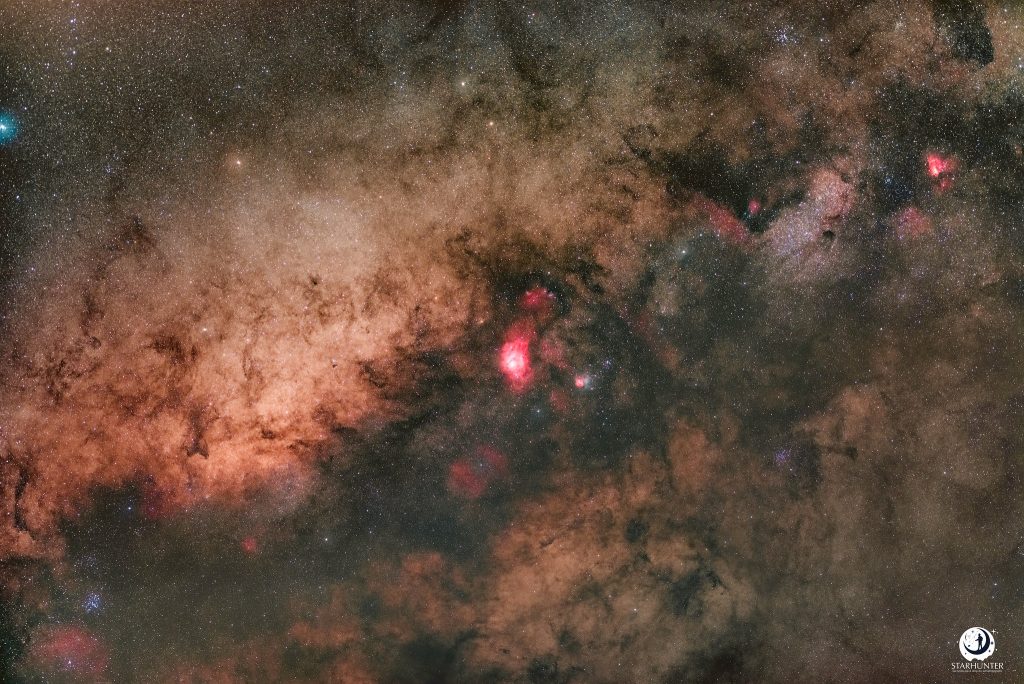
MILKY WAY & ASTROSCAPE WORKSHOP HIGHLIGHTS:
- Milky Way Astrophotography Training
- Optimal Camera Settings: ISO, Aperture, Exposure, and Color Temperature
- Night Photography Sessions in breathtaking mountain landscapes
- Sunset-to-Midnight Sessions for Milky Way and night sky capture
- Pre-Dawn to Sunrise Sessions to capture changing light and landscapes
- Night Lighting Techniques for creative foreground illumination
- Star Trail Photography Techniques
- Panorama Astrophotography Techniques
- Post-Processing Training using Adobe Photoshop, PixInsight, and AstroPanel
- Advanced Techniques for mastering Milky Way and star trail photography
RECOMMENDED CAMERA & PHOTOGRAPHY EQUIPMENT:
To participate in this workshop, you must own a DSLR or mirrorless camera that allows manual control of aperture, exposure, and ISO. Your camera should support interchangeable lenses, ideally including a fast wide-angle lens (f/2.8 or faster, 20mm or wider, with 14mm preferred) and a 50–200mm lens for astroscape photography.
If you do not have the necessary equipment, lenses or astro cameras can be rented from www.starhunter.com.my. A sturdy tripod is required for all night photography sessions. For post-processing, you may bring a laptop.Upon completing your registration, you will receive a comprehensive preparation guide along with a list of recommended apps and tools to help you make the most of your night photography experience.
Meili Snow Mountain Astro Expedition & Workshop
All participants will receive a complete recommended equipment list upon registration. Below is a quick overview of the essential items you may need for the Astro Expedition & Workshop.
PHOTOGRAPHY GEAR
- A mirrorless or DSLR camera.
- A sturdy tripod and a remote shutter.
- A wide-angle lens, from 14 to 35 mm.
- A medium zoom lens, such as 35-50 mm.
- A star-tracker.
- A polarie/laser/asiair for doing polar alignment.
- A camera bag to transport all your equipment.
- A headlamp.
For Milky Way tracking during this workshop, we recommend using prime lenses over zoom lenses. While zoom lenses are acceptable, prime lenses such as the 20mm, 24mm, 28mm, 35mm, 40mm, and 50mm with f/1.4 or f/1.8 aperture are preferred. You can purchase these lenses from your camera brand or from third-party manufacturers such as Tamron, Rokinon, or Sigma Art.
It’s important to note that this astrophotography workshop will focus on Milky Way Nightscapes rather than deep-sky imaging. However, if you’re interested in taking your own deep-sky photos, you’re welcome to bring a telephoto lens or telescope.